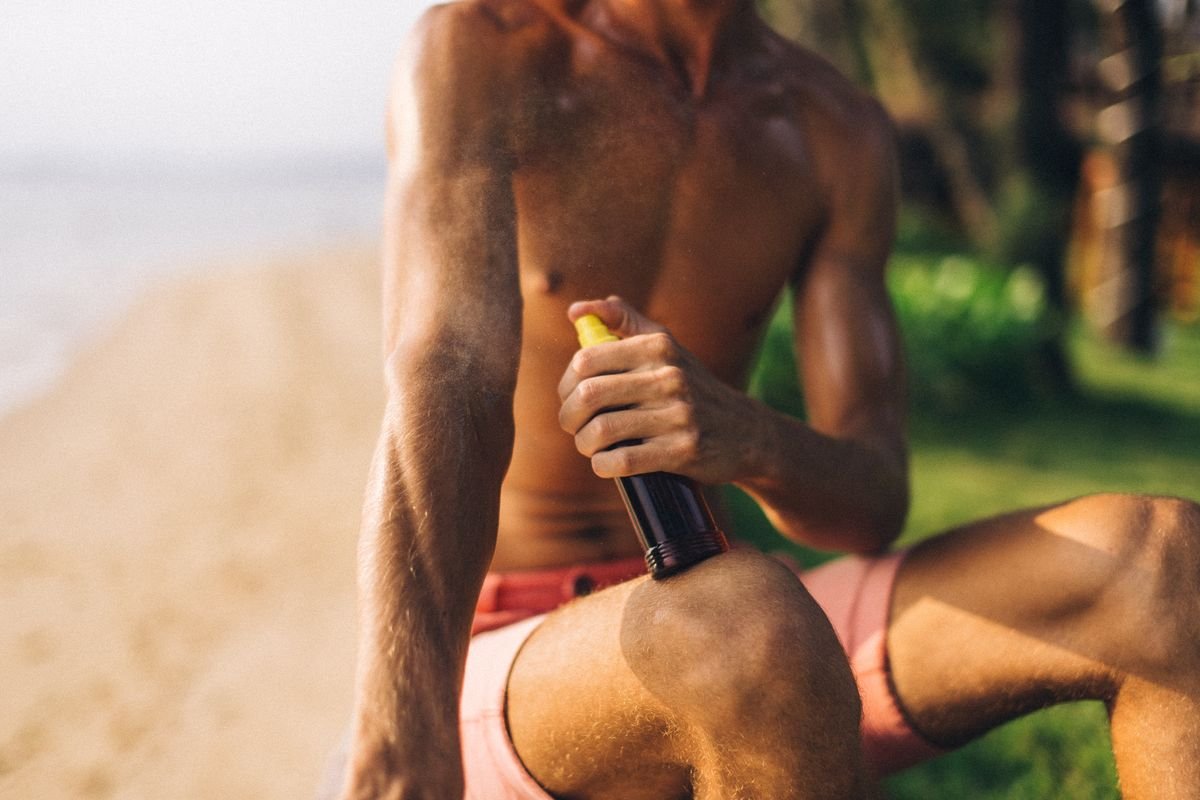
Picture two friends getting ready for the same Saturday wedding. One walks into a chain salon, steps into an automated booth and pays $45. The other has an airbrush artist come to the hotel suite and pays $150 before the tip. Both paid a normal price. The Knot’s spray tan cost guide puts a booth session at $25 to $60 and a hand-held airbrush tan at $60 to $95, and says a mobile visit can double or even triple the bill.

So the honest answer to how much a spray tan costs is “about $35 to $100 for one session in a salon, more if someone comes to you.” The more useful question is which of the things people believe about spray tan prices hold up. We tested six of the most common ones against salon menus, retailer prices and dermatology guidance gathered in November 2026.
What each kind of spray tan costs at the counter
Salons sell five or six versions of the same service, and the method matters more than the brand on the door.
| Type of session | Typical price per session | Who it suits |
|---|---|---|
| Face or partial body | $35 to $55+ | Touch-ups, a glow for photos from the waist up |
| Automated booth | $30 to $55 | Regulars who want speed and a lower price |
| Custom airbrush | $50 to $100 | First-timers, events, anyone who wants even coverage |
| Rapid airbrush | $60 to $100+ | People who need to shower within a few hours |
| Contour or photo-ready | $75 to $120+ | Weddings, competitions, photo shoots |
| Mobile (artist comes to you) | $45 to $150+ | Groups, brides, anyone short on time |
Source: ranges from ThePricer’s spray tan cost guide, updated September 2026, which compiles published salon menus.
Location moves the numbers too. The Knot cites one studio that charges $55 in Arizona and $110 in Los Angeles for the same service. National chains price by salon: Palm Beach Tan’s pricing page shows membership rates only after you pick a location, so check the store nearest you rather than a national ad. No chain or trade group has announced a 2027 price change, which means next year’s prices will be set the way this year’s were, salon by salon, as menus are reprinted.
Myth 1: The price on the menu is the price you pay
Reality: add-ons and the tip can lift a $75 tan past $100. Upgrades are where salons make their margin, and they are offered at the moment you are already undressed and committed. ThePricer lists one premium studio’s extras:
- Rapid-development formula: typically $10 to $25 more
- Hydration finish: $15
- Clear (no-bronzer) solution: $15
- An extra spray pass for a deeper color: $20
- Face contouring: $12
- Added fragrance: $5
Then comes the tip. The Emily Post Institute’s tipping guide suggests 15% to 20% for salon services such as facials and waxing; tanning is not listed separately, but artists who spray by hand are generally tipped on the same scale. Here is how that adds up in an example: a $75 airbrush tan with a hydration finish and contouring comes to $102, and a 20% tip brings it to about $122. Skip the extras and tip 15%, and the same session is $86.25.
Of the upgrades, rapid formula is the one that pays for itself, because it lets you rinse in two to four hours instead of eight to twelve. Fragrance and an extra pass are the easiest to decline.
Myth 2: A pricier session buys a tan that lasts longer
Reality: shade and aftercare decide how long it lasts, not the price. A dermatologist interviewed by Cleveland Clinic on spray tan safety says a spray tan lasts about five to 10 days, and that the color starts showing two to four hours after application and keeps developing for 24 to 72 hours. ThePricer’s survey of salons lands on 5 to 7 days as typical, with some custom studios advertising 7 to 10. Darker shades tend to sit at the long end because there is more pigment to wear away.
What shortens a tan is the same at every price: hot showers, chlorine, exfoliating scrubs and shaving in the first day or two. Keeping skin moisturized lets the color flake off evenly instead of in patches, which is the cheapest way to stretch any tan you pay for.
A $118 photo-ready contour from a DC-area studio and a $35 booth session wear off on roughly the same clock. What the higher price buys is a better result on day one: hand-blended color around ankles, wrists and hairline, and contouring that reads well in photos.
Myth 3: The booth is always the bargain
Reality: it is cheaper per visit, but the gap is smaller than it looks and you give up control. An independent salon’s VersaSpa booth session runs about $35 in ThePricer’s examples, while standard hand-sprayed tans at two studios it cites cost $60 and $78. That is a $25 to $43 difference per visit. For a monthly habit, the booth wins on price. For a one-off event, the airbrush artist can fix a streak before it develops, and a booth cannot.
There is also a health detail most booth menus leave out.
What the FDA says about spray tan booths
The active ingredient in sunless tanners, dihydroxyacetone (DHA), is approved for external use on the skin. According to the FDA’s page on sunless tanners and bronzers, it is not approved for use on the lips, nose, areas around the eyes or other mucous membranes, which is why an all-over mist raises questions. The agency suggests asking the operator how you will be protected from inhaling the spray and from getting it in your eyes and mouth. Salons that offer goggles, nose filters and lip balm at no charge are doing what the FDA’s guidance points to. This is general information, not medical advice; anyone pregnant or with asthma should ask a doctor first.
Myth 4: Mobile tans are only for brides with big budgets
Reality: entry-level mobile artists overlap with studio prices, though premium house calls do cost double. ThePricer finds some independent mobile artists starting around $45, while premium operators charge $125 to $150 or more. In one direct comparison, an on-location provider charged $150 or more against $75 to $85 for the same tan in its studio. That matches The Knot’s rule of thumb that mobile service can double or triple the bill.
The math changes with a group. A bridal party of five booking separate studio slots spends five round trips and five appointment windows; a single artist visiting the hotel turns that into one morning. Ask any mobile artist whether the travel fee is charged once per visit or per person, and whether there is a minimum number of tans. Those two answers decide whether the house call is a splurge or a reasonable buy.
Myth 5: An unlimited membership always pays off
Reality: it pays only if you tan at least twice a month, every month. Sun Tan City’s unlimited light and medium spray membership starts at $49.99 a month at some locations, per ThePricer, with darker shades and hydration upgrades extra. Against a $45 single session, that breaks even on your second visit of the month. Someone who keeps a constant tan and goes weekly pays roughly $12.50 a session. Someone who tans for a few events a year pays $600 for the privilege.
Packages sit in between. One Florida salon prices its VersaSpa booth tans at $45 for one, $122 for three, $230 for six and $432 for twelve, which takes the per-tan price from $45 to $36. Another sells five booth sessions for $125 and ten for $220, or $22 each. Before buying a bundle, ask how long the sessions stay valid; a 12-pack you use four times is not a discount.
| Your tanning habit | How you pay | A year of tans |
|---|---|---|
| Four events a year | $75 airbrush plus 20% tip, pay as you go | $360 |
| Once a month | $45 booth session, pay as you go | $540 |
| Weekly, light or medium shade | $49.99 unlimited membership | About $600 |
| Every two weeks, by hand | $75 airbrush plus 20% tip | $2,340 |
Example figures. The monthly-booth and every-two-weeks totals match ThePricer’s own annual calculations; the other two rows are our estimate from the single-session and membership prices above.
Seasonal tanners get the worst of both options: a membership sits unused all winter, and pay-as-you-go prices add up fast during a summer of weddings and trips. If your tanning clusters in a few months, buy a package in spring and let it run out, rather than signing up for a monthly draft.
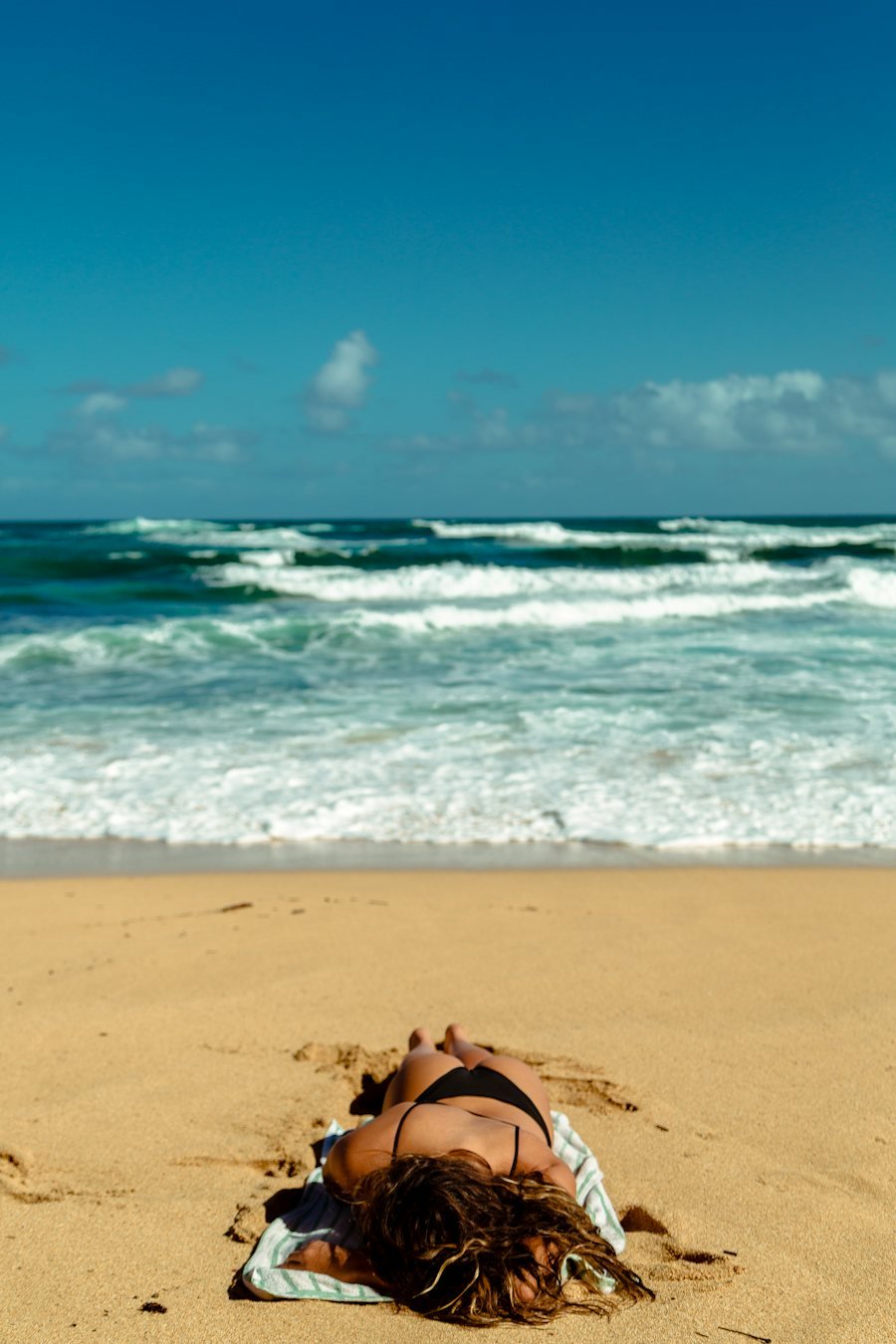
One more point for vacation tanners: the bronze color is cosmetic, and Cleveland Clinic’s dermatologist still advises sunscreen reapplied at least every two hours outdoors. Saltwater and chlorine will pull the tan’s life toward the short end of that five-to-10-day range.
Myth 6: Tanning at home costs next to nothing
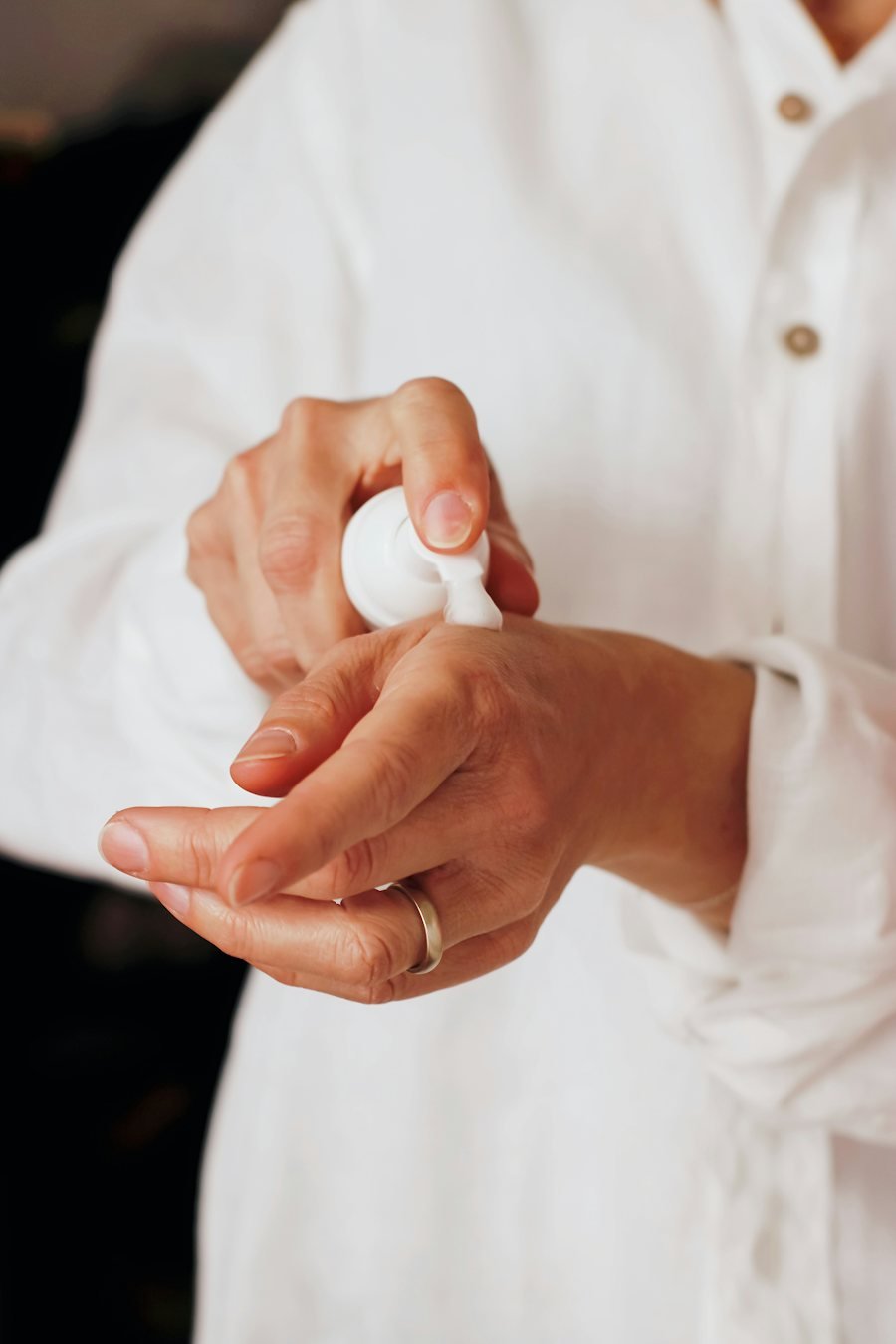
Reality: it is the cheapest route per tan, but it costs time and a learning curve. A 6.76-ounce Bondi Sands self-tanning foam at Target is $24.49, and the brand’s application mitt is another $5.49, so about $30 gets you started. At the premium end, a 6.7-ounce St. Tropez Self Tan Express mousse at Sephora is $46. Either bottle covers several full-body applications, which puts the per-tan cost well under a single booth visit.
The trade-offs are real, though. You cannot see or reach your own back, a first attempt often streaks at the hands and ankles, and a botched tan takes days to fade. A sensible split for many people is home tanning for everyday color and a professional airbrush session for the events that end up in photos.
Booking your next tan without overpaying
- Pick the method by the occasion: booth or home for routine color, hand airbrush for an event.
- Ask for the full menu, including upgrade prices, before you book, and decide on extras at home rather than in the room.
- Count your likely visits for the next three months; buy a membership only if the count is two or more a month.
- For a group, get one quote from a mobile artist that states the travel fee and any minimum, then compare it with the studio total.
- Budget 15% to 20% on top for the tip, and book two to three days before the event so the color has fully developed.
Spray tan questions people ask before booking
How much does a spray tan cost at a chain salon?
It depends on the location. ThePricer reports one California Palm Beach Tan location charging $45 for a light or medium shade and $55 for dark. Chains set prices store by store, so check the salon you plan to visit.
How much is a rapid spray tan?
Rapid formulas usually add $10 to $25 to the base price, according to ThePricer. They let you rinse after about two to four hours instead of eight to twelve, which helps if you need to shower or work out the same day.
Is a face-only spray tan cheaper?
Yes. Face or partial-body sessions run about $35 to $55 and up in ThePricer’s survey of salon menus, compared with $50 to $100 for a full-body custom airbrush tan.
How far ahead of a wedding should I get a spray tan?
Salons commonly suggest two to three days before the event, which gives the color time to develop fully and the first rinse time to remove any bronzer residue. Many brides also book a trial tan a few weeks earlier to test the shade.
Do I have to tip for a spray tan?
Tipping is customary for hand-applied tans. The Emily Post Institute suggests 15% to 20% for comparable salon services. At an automated booth there is no technician applying the tan, so there is usually no one to tip.
Price sources
- Booth vs. Airbrush Tan Cost to Know for Your Sunless Wedding Tan, The Knot (updated November 20, 2024)
- How Much Does a Spray Tan Cost?, ThePricer (updated September 28, 2026)
- Pricing & Rewards, Palm Beach Tan (2026)
- General Tipping Guide, The Emily Post Institute
- Are Spray Tans Safe?, Cleveland Clinic (April 20, 2023)
- Sunless Tanners & Bronzers, U.S. Food and Drug Administration (content current as of October 15, 2024)
- Bondi Sands Self Tanner Tanning Foam, Target
- Self Tan Express Bronzing Mousse, Sephora
More beauty services, priced
- Facial cost by type and skin goal
- What a year of Brazilian waxes costs
- Regular vs gel manicure cost
- Pedicure prices, upgrade by upgrade
- Hair extensions cost, month by month
- Our complete guide to health, beauty and fitness costs
Pricing method: prices were researched in November 2026 for 2027 planning and may change. Salon prices vary by city and by location within a chain; confirm with the salon before booking. Annual totals are examples, not quotes. See our disclaimer.