



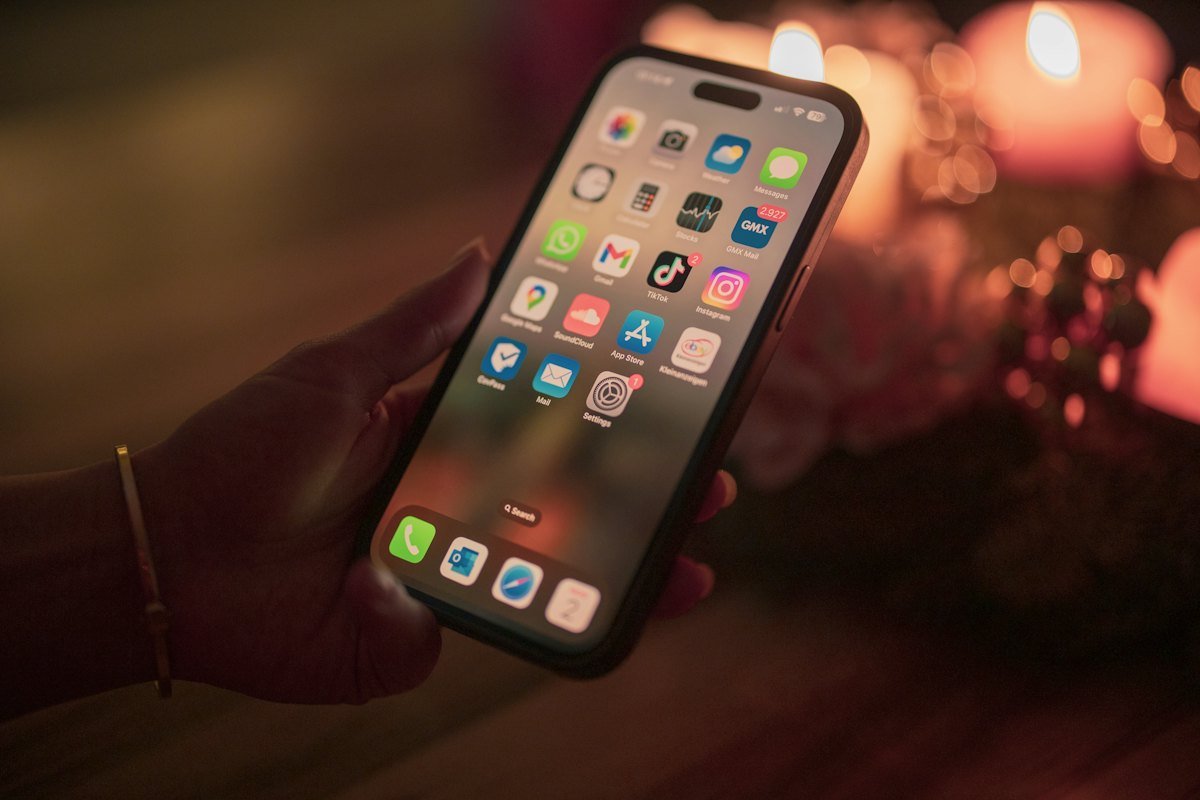
On September 9, the same day Apple introduced the iPhone 18 Pro, it quietly added $100 to the price of its cheapest current phone. The iPhone 17e now sells for $699 with 256GB and $899 with 512GB, unlocked from Apple, up from the $599 and $799 it launched at in March 2026. That still makes it the least expensive iPhone in Apple’s lineup, but the gap to the $899 iPhone 17 and the $799 iPhone 16 has narrowed, and the sticker is only the first of several checks you will write.

Short answer: budget $699 up front for the 256GB iPhone 17e, then about $100 to $350 more over three years for a battery and, if your luck runs like most people’s, one screen repair. Our three-year totals land between roughly $800 and $1,050 before sales tax and before you sell the phone.
The $699 sticker, and what Apple left out to hit it
The 17e is not a stripped-down relic. It runs the same A19 chip family as the iPhone 17, with 8GB of memory, Apple’s own C1X cellular modem, MagSafe charging, IP68 water resistance and a 6.1-inch OLED screen. Apple rates it for up to 26 hours of video playback. The savings come from a handful of specific cuts, and each one is worth pricing in your head before you decide the extra $200 for an iPhone 17 is wasted.
- Screen: 60Hz with a notch, against the iPhone 17’s 120Hz ProMotion display and Dynamic Island.
- Cameras: one 48MP rear camera with a 2x crop, where the iPhone 17 adds a 48MP ultra wide.
- Charging: MagSafe tops out at 15W, versus 25W, and a wired charge reaches 50% in about 30 minutes instead of 20.
- Battery life: 26 hours of rated video playback against 30 hours.
- Wireless: Wi-Fi 6 only, and no Camera Control button.
If none of those lines makes you wince, the 17e is the right phone and the rest of this article is about keeping its three-year bill low. If the camera or the smoother screen matters, the comparison in the next table shows what that preference costs over the life of the phone, not just at checkout.
Three years on paper: four ways to own one
The table below prices four common choices over 36 months. It assumes you buy unlocked from Apple, replace the battery once in year three at the $99 out-of-warranty rate, and either never break anything or crack the screen once. Repair prices are the out-of-warranty rates posted in October 2026 by an Apple Authorized Service Provider, which match Apple’s published iPhone 17 rates. Sales tax, cases and your monthly plan are left out because they do not change between rows.
| Ownership path (example) | Paid at checkout | 3-year total, nothing breaks | 3-year total, one cracked screen | Per month, one crack |
|---|---|---|---|---|
| iPhone 17e 256GB, no AppleCare+ | $699 | $798 | $1,052 | $29 |
| iPhone 17e 256GB with 2-year AppleCare+ ($149) | $848 | $947 | $976 | $27 |
| iPhone 17e 512GB, no AppleCare+ | $899 | $998 | $1,252 | $35 |
| iPhone 17 256GB, no AppleCare+ | $899 | $998 | $1,327 | $37 |
Two things jump out. Moving up to 512GB costs exactly as much as moving up to an iPhone 17, so anyone tempted by the bigger 17e should ask whether storage or the better camera and screen matter more. And a single accident erases most of the 17e’s advantage over a careful iPhone 17 owner: $1,052 against $998.
The screen you will probably crack, and the $149 question
Out of warranty, a cracked front screen on the 17e runs $254 at authorized repair shops, and anything worse, such as a broken back plus a bent frame, falls into an “other damage” tier of $549. That second figure is 79% of what the phone costs new, which is the number that should drive your AppleCare+ decision.

Two years of AppleCare+ for the 17e retails for $149 at authorized sellers such as BrandsMart. It covers up to two accidental-damage incidents, each with a fee of $29 for screen damage or $99 for any other damage, and it replaces a battery for free if capacity drops below 80% while you are covered. The break-even is simple: one cracked screen ($149 plus $29 versus $254) leaves you $76 ahead; one major-damage claim ($149 plus $99 versus $549) leaves you $301 ahead. If you have gone three years without a case and without a crack, skip it and keep the $149. If you have a teenager, a concrete floor at work or a history, buy it.
Check your credit card and your carrier’s insurance before paying twice. Some premium cards include cell phone protection if you pay your monthly bill with them, typically with a deductible, and carrier insurance plans bundle loss and theft that basic AppleCare+ does not.
Carrier credits: a cheaper phone on a longer leash
Apple’s own store lists carrier offers that cut the 17e’s price sharply, provided you stay put. As of November 2026, AT&T advertises up to $411.36 in bill credits for an upgrade on the 256GB model, or $483.36 for a new line, with no trade-in, but only on an eligible unlimited plan and a 36-month installment agreement, plus a $35 activation or upgrade fee. On an upgrade, that works out to about $323 for the phone. T-Mobile advertises up to $899 off with an eligible trade-in in any condition, and Verizon up to $700 with a trade-in.
The Black Friday offers go further. T-Mobile is running an early promotion with four iPhone 17e phones included on a four-line plan at $100 a month, about $25 a line, and prepaid brand Total Wireless lists the 256GB model at $0 a month for 24 months through its Edge program for qualifying customers. These deals are paid as monthly credits, so leaving early generally means forfeiting the credits you have not received yet and paying off the balance. The phone is cheap; the contract is what you are really committing to. Compare the plan’s monthly price over 36 months with what you pay now before treating a “free” phone as savings.
Year three: the battery, the buyback and what is left
Lithium-ion batteries wear with every charge cycle, and by the third year many iPhones show noticeably shorter days. The out-of-warranty battery service for the 17e is $99, the same as for the iPhone 17. If you bought AppleCare+, note that two-year coverage ends before most batteries cross the 80% threshold, which is why our table charges every path for one battery.

Resale is the line that shrinks the total back down. Eight months after launch, buyback sites tracked by BankMyCell were offering up to $425 for a 256GB iPhone 17e on November 11, 2026, with several verified buyers near $400, though the average online offer was far lower at about $162. Swappa’s earliest sold listings averaged $458. Longer-term history is less kind to Apple’s budget line: SellCell found the iPhone 16e’s 128GB model kept about 48.6% of its $599 price after 12 months, while the standard iPhone 16 kept about 59.6%.
That gap matters when you compare tiers. If the 17e follows the 16e’s first-year curve from its new $699 price, it would be worth roughly $340 a year after purchase, and less after three years. The September price hike may help used values, since a pricier new phone tends to lift what buyers will pay for a used one, but no one can promise that. Sell while the phone is clean and the battery is healthy; a $99 battery swap before listing rarely pays for itself in a higher sale price.
Should you hold out for an iPhone 18e?
Apple did not announce a standard iPhone 18 or an iPhone 18e at its September 2026 event. Reports compiled by Macworld point to a spring 2027 launch for both, with the 18e expected at $699 and carrying an A20 chip, a 60Hz screen and a single 48MP camera. None of that is confirmed. If the reporting holds, waiting buys you a newer chip at the same price, but not the 120Hz screen or second camera that would change the comparison above. If your current phone works and you are not chasing a carrier promotion that ends this month, waiting until spring costs nothing. If your phone is failing now, the 17e you buy today will still get years of iOS updates.
iPhone 17e questions buyers ask at the counter
How much is the iPhone 17e per month?
Spread over 36 months with no interest, the $699 256GB model works out to about $19.42 a month, and the $899 512GB model about $24.97. Carrier bill credits can lower the effective monthly price, but only if you keep the required plan for the full term.
Is the iPhone 17e a better buy than the iPhone 16?
On price per gigabyte, yes. Apple sells the iPhone 16 from $799 with 128GB, while the iPhone 17e costs $699 with 256GB and a newer A19 chip. The iPhone 16 still offers a second rear camera and Dynamic Island, so the choice depends on which features you use.
Will Apple lower the iPhone 17e price for Black Friday?
Apple rarely discounts its own store prices. The meaningful Black Friday savings usually come from carriers, such as T-Mobile’s four-line offer that includes four iPhone 17e phones, and from Apple gift card promotions when Apple runs them. Read the plan requirements before buying.
Is 256GB enough storage on an iPhone 17e?
For most people, yes. 256GB holds tens of thousands of photos plus apps, and paying $200 more for 512GB costs the same as stepping up to an iPhone 17. Heavy 4K video shooters and people who keep large offline media libraries are the main exceptions.
Does the iPhone 17e support MagSafe accessories?
Yes. The iPhone 17e supports MagSafe and Qi2 charging at up to 15W, so magnetic chargers, wallets and car mounts work. The iPhone 17 charges faster on MagSafe, at up to 25W.
The three-year bill, in one paragraph
Buy the 256GB iPhone 17e unlocked if you keep phones for years and want to avoid a carrier contract; expect to spend about $800 over three years if you are careful and about $1,050 if you are not, and add AppleCare+ only if your track record says you will need it. Take a carrier deal only if you were staying with that carrier anyway. Skip the 512GB model, because the same $200 buys an iPhone 17 with a better screen and second camera. And if nothing is broken today, a spring 2027 iPhone 18e at the same expected price is worth waiting a few months to see.
Other iPhones we have priced for 2027
- Electronics prices in 2027: the complete guide to phones, streaming and gadgets
- iPhone 17 Pro price after Apple discontinued it
- iPhone 15 price: used, refurbished or leftover new
- iPhone 15 Pro Max prices from $425 to $1,189
- iPhone 14 price by model, condition and seller
- What to pay for a used iPhone 13
- Buying an iPhone 12 mini: price, fixes and shelf life
More related guides: iPhone 17 Air prices, refurbished to 1TB · What a used Galaxy S24 should cost
Pricing method: prices were researched in November 2026 for 2027 planning and may change. Device prices are Apple’s U.S. list prices after its September 9, 2026 increase; repair rates come from an Apple Authorized Service Provider’s October 2026 price list; AppleCare+ is a retail price; carrier offers were listed on Apple’s store in November 2026 and carry plan and credit requirements. The three-year totals are hypothetical examples, and iPhone 18e details are unconfirmed reports. See our disclaimer.












