The most expensive home inspection mistake is not overpaying the inspector. It is paying $343 for a standard inspection on a 1950s house with mature trees out front, skipping the $250 sewer camera, and finding a collapsed clay pipe the first winter you own it. Heading into 2027, a general home inspection costs most buyers $296 to $424, and the add-ons that matter for your particular house can bring the total to $600 to $1,300.

The opposite mistake is real too: checking every box on an inspector’s menu for a newer house that needs none of them. The right bill depends on the house, so this guide prices the base fee first, then matches each add-on to the homes that actually need it.
Inspection is one line in a longer list of buyer costs. Our free closing costs calculator puts it next to lender fees, title and prepaid items so you see the full cash-to-close number.
What the base fee buys, by home size and city
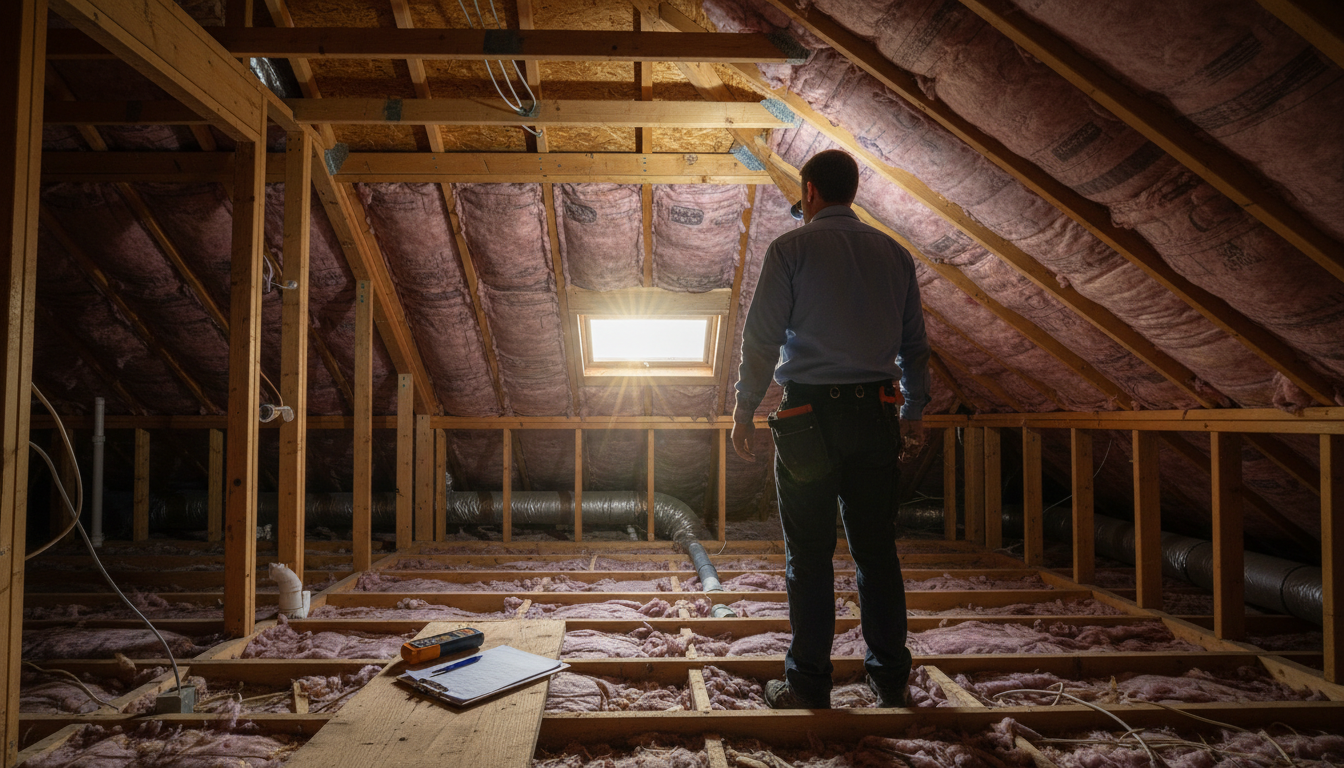
A general inspection is a visual, non-invasive look at the roof, structure, exterior, plumbing, electrical, heating and cooling, attic and insulation, interior, windows and doors, plus a written report with photos. Inspectors mostly price by square footage, then add for age, crawl spaces, detached buildings and travel.
| Home size | Typical base inspection |
|---|---|
| Under 1,000 sq ft | $200 to $250 |
| 1,000 to 1,500 sq ft | $225 to $325 |
| 1,500 to 2,000 sq ft | $250 to $375 |
| 2,000 to 2,500 sq ft | $275 to $400 |
| 2,500 to 3,000 sq ft | $300 to $500 |
| New construction | $280 to $400 (phase inspections billed separately) |
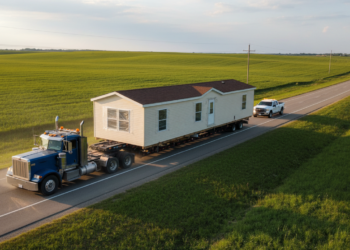
| Mobile or manufactured home | $250 to $500 |
City matters less than you might expect. HomeAdvisor’s metro averages sit at about $300 in Miami, $320 in Atlanta and Chicago, $330 in Los Angeles and $350 in Houston, with New York and Philadelphia near $450. Older homes in those high-cost metros, with basements, multiple units or long drives out of town, are where quotes climb toward $600.
What a standard inspection leaves out
Inspectors follow standards of practice that exclude anything they cannot see or would have to take apart. That usually means no radon or mold sampling, no camera inside the sewer line, no septic tank evaluation, no detailed chimney flue review, no pool equipment testing, no lead paint or asbestos testing, and no engineering opinion on the foundation. Each of those is either an optional add-on or a job for a separate specialist.
Match each add-on to the house, not the menu
Add-ons are where inspection bills double. Most are worth it for some houses and wasted on others. Use the house’s age, foundation, utilities and location to decide.
| Add-on | Typical price | Buy it when | Usually safe to skip when |
|---|---|---|---|
| Sewer scope (camera) | Under $200 to about $300 bundled; more for long or complex lines | Home is 20+ years old, has trees near the line, or has clay, cast iron or Orangeburg pipe | Newer home on city sewer with plastic pipe and no backups in the disclosure |
| Radon test | About $250 with an inspector; $15 to $50 for a DIY kit | Any home with a basement or slab in a moderate or high radon area | Seller provides a recent professional test, or a mitigation system is already running |
| Termite / WDI report | $75 to $325, often near $100 | Your VA or other loan requires it, or you are in the South, Southeast or coastal West | Cold-climate condo with no wood-to-soil contact (unless your lender requires one) |
| Septic inspection | $200 to $900 | Any home on a septic system | Home is on municipal sewer |
| Mold testing | About $660 on average | Visible staining, musty smell, past water damage, or someone in the house has allergies or asthma | No signs of moisture; the inspector’s moisture meter readings are normal |
| Chimney (Level 2) | $200 to $1,000 | Wood-burning fireplace or stove you plan to use | No fireplace, or a sealed decorative one |
| Structural engineer | $300 to $1,000, about $600 typical | Inspector flags foundation cracks, sloping floors or bowing walls | No structural red flags in the general report |
| Lead-based paint | $300 to $700 | Built before 1978 and you have young children or plan to renovate | Built after 1978 |
| Pool and spa | $200 to $500 | Home has an in-ground pool or hot tub | No pool |
Two add-ons earn their price most often. A sewer scope protects against the single biggest repair a general inspector cannot see, and a radon test covers a health risk nobody can smell. If your budget allows only one extra on an older house, pick whichever of those two your house qualifies for.
Three houses, three very different inspection bills
Hypothetical examples for illustration, using midpoints from the ranges above. Real quotes vary by inspector and market.
| Line item | 2012 townhome, 1,300 sq ft, slab, city sewer, conventional loan | 1958 brick house, 2,200 sq ft, basement, big street trees | 1979 rural ranch, 2,800 sq ft, septic, wood fireplace, VA loan |
|---|---|---|---|
| General inspection | $275 | $350 | $400 |
| Termite / WDI report | $100 | Not needed | $100 (VA requirement in many states) |
| Radon test | Not needed | $250 | Not needed |
| Sewer scope | Not needed | $250 | Not applicable |
| Septic inspection | Not applicable | Not applicable | $450 |
| Level 2 chimney inspection | Not applicable | Not needed | $300 |
| Total | $375 | $850 | $1,250 |
The townhome buyer who added a sewer scope, mold test and radon test out of caution would have spent about $1,500 on a house with little exposure to any of them. The 1958 house buyer who skipped the sewer scope to save $250 took the largest uninsured risk of the three.
The repair bills those add-ons are protecting you from
An add-on is worth buying when the problem it finds costs far more than the test and is something you could negotiate before closing. Here is the scale of what each one can uncover:
- Broken or root-filled sewer line: repairs can run up to about $300 per foot, and full replacement can exceed $30,000 in difficult cases. See our sewer line replacement cost guide for method-by-method prices.
- Radon above the EPA action level of 4 pCi/L: a professional sub-slab mitigation system typically costs $800 to $2,500, with crawl space encapsulation adding $500 to $1,500.
- Active termites: treatment ranges from a few hundred dollars for spot work to several thousand for whole-home baiting or fumigation, before any wood repair.
- Foundation movement: the $300 to $1,000 engineer visit is small next to the repairs it may recommend, and a written engineer’s report carries much more weight with a seller than an inspector’s note.
- Hidden mold: remediation runs from hundreds for a small area to thousands when it reaches framing or HVAC ducts.
A finding during your contingency period is leverage. The same finding after closing is your bill.
Your loan may order the termite report for you
The wood-destroying insect (WDI) report is the one add-on a lender can require. VA loans require it statewide in roughly 34 states and territories and in designated counties in several more, and anywhere the VA appraiser sees signs of trouble. FHA requires one only when the lender asks, state or local law mandates it, it is customary in the area, or the appraiser spots infestation. Conventional lenders rarely require it unless the appraiser flags damage. USDA direct loans generally call for one unless the state office waives it in low-risk areas.
Most inspectors use the NPMA-33 form, though about 14 states, including California, Florida and Texas, have their own official forms. The report is typically valid for 90 days for mortgage purposes, so a delayed closing can mean paying for a second inspection. Since June 2022, VA borrowers have been allowed to pay for the inspection themselves, but the cost is still negotiable with the seller.
Who pays, and when the money is due
The buyer orders and pays for the inspection, usually by card at booking or on the day of the visit, not at closing. That matters because you pay even if the inspection kills the deal. You can ask the seller to cover it or credit it back, and in a slower market sellers sometimes agree, but in a competitive one that request can weaken your offer. Repairs are a separate negotiation: the seller may fix items, reduce the price, give a closing credit or put funds in escrow.
If you are tempted to waive the inspection to win a bidding war, consider an inspection for information only. You still learn what you are buying, and you can walk away if the house has a deal-breaker, without asking the seller for repairs.
Home inspection prices for 2027
There is no national fee schedule for home inspections; each inspector or company sets its own prices, and no industry-wide 2027 increase has been announced. Expect similar or slightly higher prices in 2027 as insurance, fuel and labor costs rise. Licensing rules are still shifting state by state: in Georgia, for example, a 2026 bill to require state licensing for home inspectors (House Bill 1305) received a favorable committee vote, with grandfathering for current inspectors proposed to start July 1, 2027, if it becomes law. Wherever you buy, check that your inspector holds any license your state requires and carries errors and omissions insurance.
If you only add one thing, make it this one
Older house on city sewer: sewer scope. Basement or slab in radon country: radon test, or both if both apply. Septic system: septic inspection, no exceptions. VA loan or termite-heavy region: the WDI report, which your lender may already require. Newer house with clean disclosures: the general inspection alone, and keep the savings for move-in repairs.
Book the general inspection first and attend the walk-through. If the inspector flags something outside their scope, such as a cracked foundation wall or a smoky chimney, order the specialist then, while you are still inside your contingency window.
More home inspection questions
How long does a home inspection take?
A typical single-family home takes about two to four hours on site, longer for large or older houses and when add-ons are booked the same day. The written report usually arrives within 24 to 48 hours.
Do you need a home inspection on new construction?
It is a good idea, even with a builder warranty. A final new construction inspection typically costs about $280 to $400, and phase inspections at the foundation and pre-drywall stages are billed separately but catch problems before they are covered up.
Is a pre-listing home inspection worth it for sellers?
It can be. Paying a few hundred dollars before listing lets you fix or disclose problems on your own terms instead of negotiating them under deadline. Be aware that known defects generally must be disclosed under state law.
Can I attend my home inspection?
Yes, and you should. Most inspectors welcome buyers for at least the final hour, when they walk through findings. Seeing a problem in person makes the report easier to understand and to use in negotiations.
Does a home inspection cost more for a condo?
Usually less. Condo inspections cover only the unit’s interior and systems, so they often fall at the low end of the size-based ranges. The roof, structure and common areas are the association’s responsibility and are not inspected.
Related cost guides
- Closing costs calculator
- Who pays closing costs: buyer vs seller, line by line
- Homeowners insurance cost: the dials you still control
- Sewer line replacement cost
- Termite treatment cost: liquid, bait or tent?
- Mold remediation cost, room by room
- Septic tank pumping cost
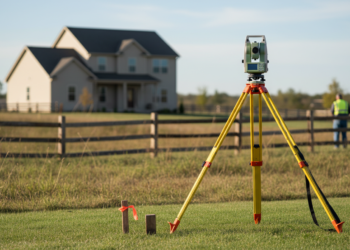
More related guides: Land survey cost: which survey your job really needs · What refinancing a mortgage costs
Complete guide: Insurance, Real Estate and Legal Costs in 2027: A Complete Guide
Pricing method: base inspection prices by home size, city averages and add-on prices from HomeAdvisor data (October 2025) as summarized by Rocket Mortgage; sewer scope and sewer repair figures from HomeTeam Inspection Service; radon mitigation and test kit prices from Airthings, with the 4 pCi/L action level set by the EPA; WDI loan requirements and costs from LegalClarity’s summary of VA, FHA and USDA rules; chimney inspection prices from Angi; structural engineer fees from This Old House; Georgia HB 1305 status from local legislative coverage. The three house examples are hypothetical. We are not affiliated with any inspection company named. Prices were researched in October 2026 for 2027 planning and may change. Confirm requirements with your lender and a licensed inspector. See our disclaimer.