Most new parents price diapers by the box, and the box is the wrong unit. Boxes change count with every size, every retailer and every promotion, so a $45 box and a $55 box tell you almost nothing. The figure that predicts your total is the price of one diaper, and in late 2026 it ran from about 29 cents for Costco’s Kirkland Signature to 50 cents for The Honest Company. Multiply that by the roughly 6,000 changes most children need before potty training and diapers cost a family about $1,700 to $3,000, before a single wipe. Month to month, that works out close to the $100 per child that the Urban Institute and the National Diaper Bank Network use as a rule of thumb.

That spread is the whole story of this purchase. Brand, store and how long your child stays in diapers matter far more than any coupon, so the sections below price the full run from newborn size to the last pull-up.
Cents per diaper, brand by brand
Costco is a useful benchmark because it stocks the big names side by side in bulk boxes. These are Size 4 warehouse prices tracked by DiaperAlert, updated in November 2026. Smaller sizes come in bigger counts and usually cost a few cents less each; Size 5 and 6 cost a little more.
| Diaper (Size 4, Costco) | Count | Box price | Per diaper |
|---|---|---|---|
| Kirkland Signature Supreme | 156 | $44.99 | $0.29 |
| Hello Bello | 132 | $44.99 | $0.34 |
| Pampers Baby-Dry | 144 | $49.99 | $0.35 |
| Huggies Little Movers | 140 | $52.99 | $0.38 |
| Pampers Swaddlers | 132 | $54.99 | $0.42 |
| Honest Company Clean Conscious | 120 | $59.99 | $0.50 |
Twenty-one cents separates the cheapest and the priciest diaper on that list. It sounds trivial until you see how many diapers sit between birth and potty training. SoFi’s survey of brand prices found an even wider field, from about 11 cents for budget store brands in small sizes to 55 cents for premium eco lines.
How many diapers a child goes through, size by size
Usage drops as babies grow, but the toddler stretch lasts long enough that the total keeps climbing. Healthline’s sizing guide lays out the typical pattern:
| Size | Weight | Typical age | Diapers a day |
|---|---|---|---|
| Newborn | Up to 10 lb | First few weeks | 8 to 12 |
| Size 1 | 8 to 14 lb | Birth to 4 months | 8 to 10 |
| Size 2 | 12 to 18 lb | 3 to 8 months | 8 to 9 |
| Size 3 | 16 to 28 lb | 5 to 24 months | 6 to 7 |
| Size 4 | 22 to 37 lb | 18 to 36 months | 5 to 7 |
Add it up and the first year alone takes about 2,500 to 3,000 diapers, with roughly 2,000 more in year two. MoneyCrashers, using BabyGearLab’s estimate, puts the three-year total near 6,000. SoFi uses 8,000 for a child who trains late, which is the number to plan around if your toddler shows no interest in the potty at two and a half.
The bill from first diaper to last, at four price points
Here is that math done for you, using the per-diaper prices above. Treat these as planning figures, not quotes: real spending blends sizes, sales and the occasional emergency pack from the pharmacy at full price.
| Price per diaper | First year (3,000) | To potty training (6,000) | Late trainer (8,000) |
|---|---|---|---|
| $0.29 (Kirkland) | $870 | $1,740 | $2,320 |
| $0.35 (Pampers Baby-Dry) | $1,050 | $2,100 | $2,800 |
| $0.42 (Pampers Swaddlers) | $1,260 | $2,520 | $3,360 |
| $0.50 (Honest) | $1,500 | $3,000 | $4,000 |
Two things jump out. Brand choice alone moves the total by about $1,260 over three years. And a late potty trainer on a premium brand costs more than twice what an early trainer on a store brand does. For a toddler using five to seven diapers a day, that means roughly $44 to $88 a month at 29 to 42 cents each, a noticeable drop from the newborn months.
Cloth diapers: cheaper on paper, paid for in laundry
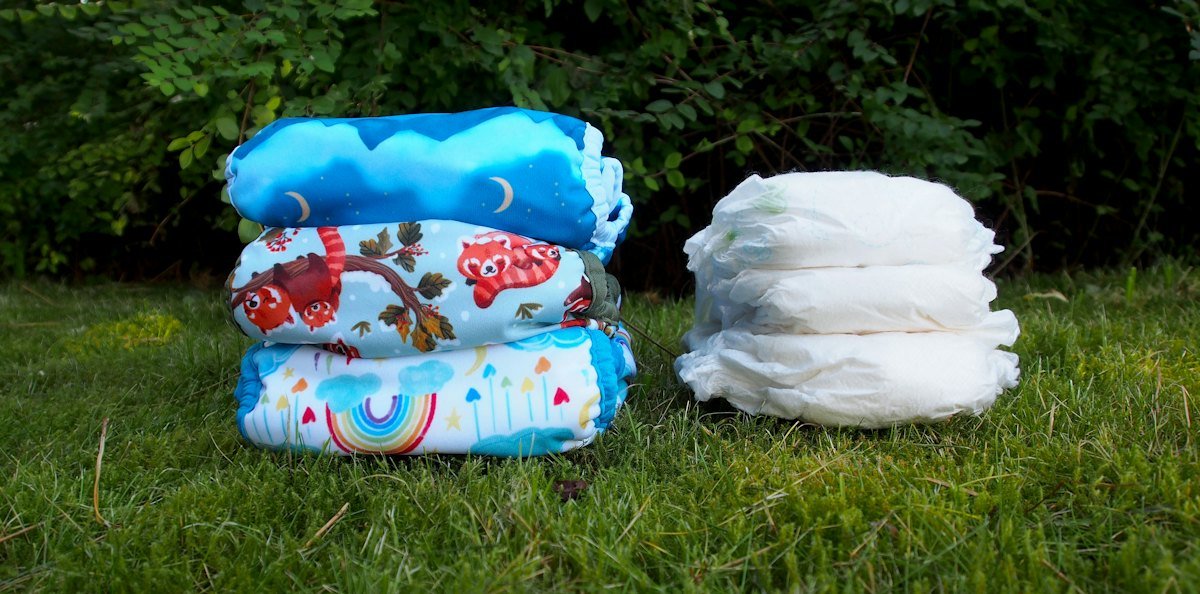
Cloth flips the cost structure. You pay most of it up front, then keep paying in water, detergent, electricity and time. SoFi puts a starting stash at $300 to $1,000. MoneyCrashers prices simple prefolds at about $2.50 each and modern all-in-one or pocket diapers at $15 to $24 apiece.
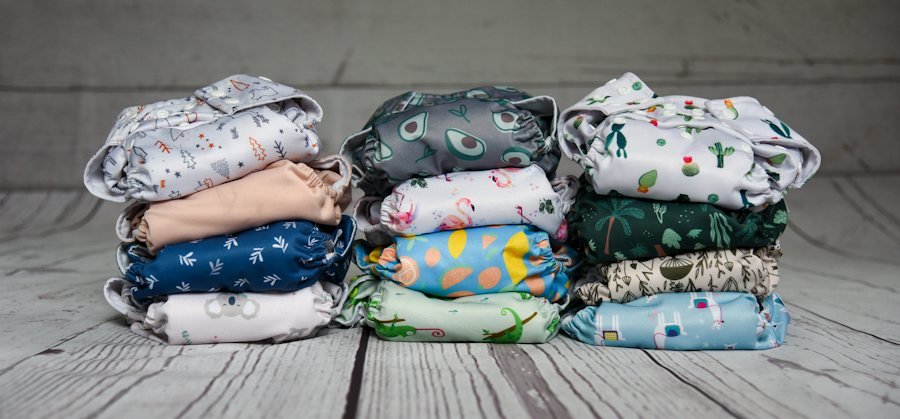
Across a full run from birth to potty training, MoneyCrashers estimates home-laundered cloth at $600 to $1,870 all in, with laundry adding about $200 over the whole period. Prefolds sit at the bottom of that range, all-in-ones at $600 to $900 for the diapers alone. Optional extras push it up: flushable liners at about 7 cents each can add around $420, and a diaper sprayer runs about $45.
The hidden cost is labor. The same source estimates three to six hours a week of washing, drying and folding. A diaper service removes that chore but not the expense: at about $20 a week, it comes to more than $3,000 over three years, no cheaper than premium disposables. Cloth saves the most money for families who use a cheap system, wash at home and reuse the stash for a second child.
Wipes, cream and the pail: the line items that ride along
Diapers rarely travel alone. Wipes are the biggest add-on, and estimates vary with how many you pull per change. MoneyCrashers figures 2 to 4 cents a wipe and about $360 over three years for a frugal household. Healthline’s estimate of five wipes per change works out to about 15,000 wipes and roughly $450 in the first year alone. Most families land somewhere between.
Then come the smaller recurring costs: diaper rash cream, a trash pail with its refill bags, disposable changing pads for the diaper bag, and the jump to pricier pull-ups once a toddler starts training. None is large on its own. Together they make a $100 monthly diaper budget realistic for many families even when the diapers themselves cost less.
Sales tax, tariffs and what changes in 2027
Where you live changes the shelf price. A 2023 Kiplinger analysis estimated the sales tax on $900 a year of diapers at about $40 in Hawaii and as much as $86 in Tennessee. States have been dropping that tax steadily. Missouri removed its 4.225% state sales tax on diapers and period products in late August 2025, covering baby, child and adult diapers. Texas, Maryland and Louisiana have enacted similar exemptions.
The 2027 change: Nebraska’s sales and use tax exemption for children’s and adult diapers takes effect July 1, 2027. Families there should see the savings at the register from that date without doing anything.
On the price side, Procter & Gamble raised prices on about a quarter of its U.S. products in August 2025, naming Pampers among the affected brands and citing an estimated $1 billion in tariff costs. No diaper maker has announced 2027 list prices as of November 2026, so plan with today’s per-diaper figures and check again before you stock up.
Six ways to lower the per-diaper number
- Compare by the unit, always. Divide box price by count. Many stores print a unit price on the shelf tag; use it.
- Use a store brand for the long middle stretch. Sizes 3 and 4 cover the most months, so a cheaper diaper there saves the most. Kirkland undercut Huggies by 24% and Pampers Swaddlers by 31% in DiaperAlert’s comparison.
- Do not stockpile newborn and Size 1. DiaperAlert notes that babies often outgrow Size 1 in six to eight weeks, and Healthline suggests stocking only two to three packs of newborn diapers before birth.
- Set up a subscription on the size you will use longest. Subscription programs can cut about 20% off the shelf price, according to MoneyCrashers, but cancel or change sizes promptly.
- Check public help before you pay full price. WIC and SNAP do not cover diapers, but Tennessee’s Medicaid program allows up to 100 free diapers a month for the first two years of life, and local diaper banks distribute supplies in many cities.
- Save premium diapers for nights. Using a higher-priced, more absorbent diaper only overnight keeps most changes at the cheaper rate.
More diaper questions parents ask
How much is a pack of diapers?
It depends on the size of the pack more than the brand. At Costco in late 2026, a 156-count box of Kirkland Signature Size 4 cost $44.99 and a 144-count box of Pampers Baby-Dry cost $49.99. Smaller grocery-store packs cost less per box but usually more per diaper.
What is the average cost of diapers per month for a newborn?
About $80 to $100 a month, per SoFi, because newborns use 8 to 12 diapers a day. The Urban Institute and the National Diaper Bank Network use about $100 a month per child as a general figure.
Do WIC or SNAP pay for diapers?
No. Neither program covers diapers, which is why diaper banks and a few state programs fill the gap. A 2026 National Diaper Bank Network survey found about one in two families struggled to afford diapers.
Is a diaper service cheaper than disposables?
Usually not. MoneyCrashers estimates a service at about $20 a week, or more than $3,000 over three years, which is in line with premium disposables. Washing cloth at home is the cheaper cloth route.
How much do diapers cost for a second child?
Disposables cost the same again, roughly $1,700 to $3,000 by potty training at 29 to 50 cents each. Cloth gets cheaper, since a well-kept stash can be reused, leaving mainly laundry costs.
Before the baby shower: buy this, skip that
Worth buying early
Two or three packs of newborn diapers. A bulk box of Size 1. One large box of wipes. A tube of rash cream. If you are going cloth, a small trial set of two systems before committing to a full stash.
Worth skipping
Cases of newborn size, which many babies outgrow within weeks. Premium diapers for every change. Wipe warmers and other single-purpose gadgets. Registry gift cards tied to one store when the cheapest diaper may be somewhere else.
Other early-years costs we have priced
- What having a baby costs after insurance
- Daycare costs and the tax breaks that offset them
- What a full-time nanny costs a year
- Doula fees and who pays them
- The complete family cost guide, from babies to senior care
More related guides: Preschool cost by state, from free pre-K to private tuition · Baby formula prices, month by month
Pricing method: prices were researched in November 2026 for 2027 planning and may change. Per-diaper prices come from DiaperAlert’s Costco tracking and SoFi; usage from Healthline, MoneyCrashers and SoFi; tax details from Kiplinger, the Missouri Independent and the Sales Tax Institute. Totals are our arithmetic from those figures. See our disclaimer.