A torn earlobe and a pair of ears pinned closer to the head both count as ear surgery, yet one is a half-hour office repair and the other is an operation with an anesthesia bill. The first typically costs $400 to $900 per ear, according to CareCredit’s October 2026 guide. Cosmetic otoplasty averaged $5,747 all-in among RealSelf patients, with bills reaching $11,001. Ear tubes and eardrum repairs sit on a different track entirely, because insurance usually treats them as medical care.

So the useful first question is not the price but the situation. Find yours below, then jump to the section that prices it. If you want a rough out-of-pocket number for a covered procedure, our medical and dental cost estimator helps. Nothing official changes ear surgery pricing for 2027; no fee schedule or rule has been announced, so treat the figures here as current prices for 2027 planning.
- Your ears stick out, or look too large, and you want them reshaped
- An earlobe is split, torn or stretched by gauges
- Your child’s ears are folded or prominent
- Ear infections keep coming back
- An eardrum has a hole that will not heal
Five ear problems, five very different bills
| Your situation | Usual procedure | Typical price | Does insurance usually pay? |
|---|---|---|---|
| Prominent or large ears (adult) | Cosmetic otoplasty | $4,500 to $7,500 surgeon fee; $5,747 average all-in | No |
| Split or stretched earlobe | Earlobe repair, local anesthesia | $400 to $900 per ear; $600 to $3,600 reported | Only right after an injury, in most cases |
| Newborn with folded ears | Ear molding (no surgery) | Varies; often billed to insurance | Usually yes |
| Repeat ear infections | Ear tubes (myringotomy) | $428 to $955 in office; $837 to $1,343 in an operating room | Yes, when medically indicated |
| Hole in the eardrum | Tympanoplasty | $5,758 to $9,013 cash | Yes, when medically indicated |
Source: surgeon fee range from the ASPS 2024 average surgeon fee table; patient-reported totals from RealSelf; earlobe range from CareCredit; ear tube and eardrum cash prices from MDsave and Sidecar Health. Insured patients pay their plan’s deductible and coinsurance instead.
Ears that stick out: what pinning or reshaping costs
Otoplasty sets the ear closer to the head, reshapes folded cartilage or, less often, makes an oversized ear smaller. The American Society of Plastic Surgeons puts the average surgeon’s fee at $4,625, a figure from its 2023 statistics. Its 2024 release switched to a projected range of $4,500 to $7,500 rather than a single average.
Read those numbers carefully, because they are only the surgeon’s share. ASPS says the fee excludes anesthesia, the operating room and related expenses such as prescriptions and post-op garments. That is why RealSelf’s patient-reported average of $5,747 runs higher, and why some patients reported paying as much as $11,001. Location moves the total, too: RealSelf’s state averages ranged from $3,442 in Utah to $8,350 in New York as of July 2023.
Ear reduction surgery, the secondary search many readers type, is a form of otoplasty and is quoted from the same surgeon fee schedule. The variables that widen a quote are whether one ear or both are treated, whether the surgery happens under local anesthesia in an office suite or under general anesthesia in a surgery center, and whether it is a first operation or a revision. A revision rarely costs less, since scar tissue makes the work slower.
Patients seem to feel it was money well spent: RealSelf members rate ear surgery 97% “worth it.” That does not make a cheaper surgeon a better buy. Ask every practice for a single written figure that names the surgeon fee, the anesthesia fee and the facility fee separately, so you compare totals rather than headline prices.
A split or stretched earlobe: the cheapest ear surgery there is
Heavy earrings, a snagged hoop or years of gauges can split a lobe or leave it hanging open. The fix is usually done in the office under local anesthesia, which keeps the bill low. CareCredit’s guide quotes $400 to $900 per ear, with both ears costing roughly double and complex reconstructions landing at the top of the range.
RealSelf’s earlobe repair page, updated in August 2024, reports a wider spread from 253 patient reviews: an average of $1,467, from $600 at the low end to $3,600. The high figures likely reflect large gauge holes that need more tissue rearranged, or repairs done in a hospital setting.
Insurance is the twist. RealSelf notes that repair is often covered when it is done right after a traumatic tear, leaving the patient with a copay, while a repair of an old split or a stretched gauge is treated as cosmetic. If an earring has just torn through, see a doctor promptly; waiting can turn a covered injury into a self-pay cosmetic job.
A child’s folded or prominent ears: the cheap window closes early
Parents of newborns have an option adults never get. Cohen Children’s at Northwell describes ear molding, a nonsurgical device that reshapes soft infant cartilage, as best started at 2 or 3 weeks old. Started before 2 weeks, treatment can take only two to three weeks, and the hospital says most insurers cover it. It also says molding does not work past infancy, so a pediatrician visit in the first days matters more than any price comparison.
After infancy, the route is otoplasty. Northwell lists surgery as an option from about age 5. Some surgeons prefer to wait longer: a surgeon quoted in a 2024 ASPS article on ear pinning generally treats patients from about 14 to 16, once the cartilage has finished developing. The price is the same otoplasty fee described above. ASPS adds that some plans may cover the surgery when it is judged medically necessary, so ask the surgeon’s office to request a coverage decision before you schedule.
Ear infections that keep coming back: tubes cost less than you think
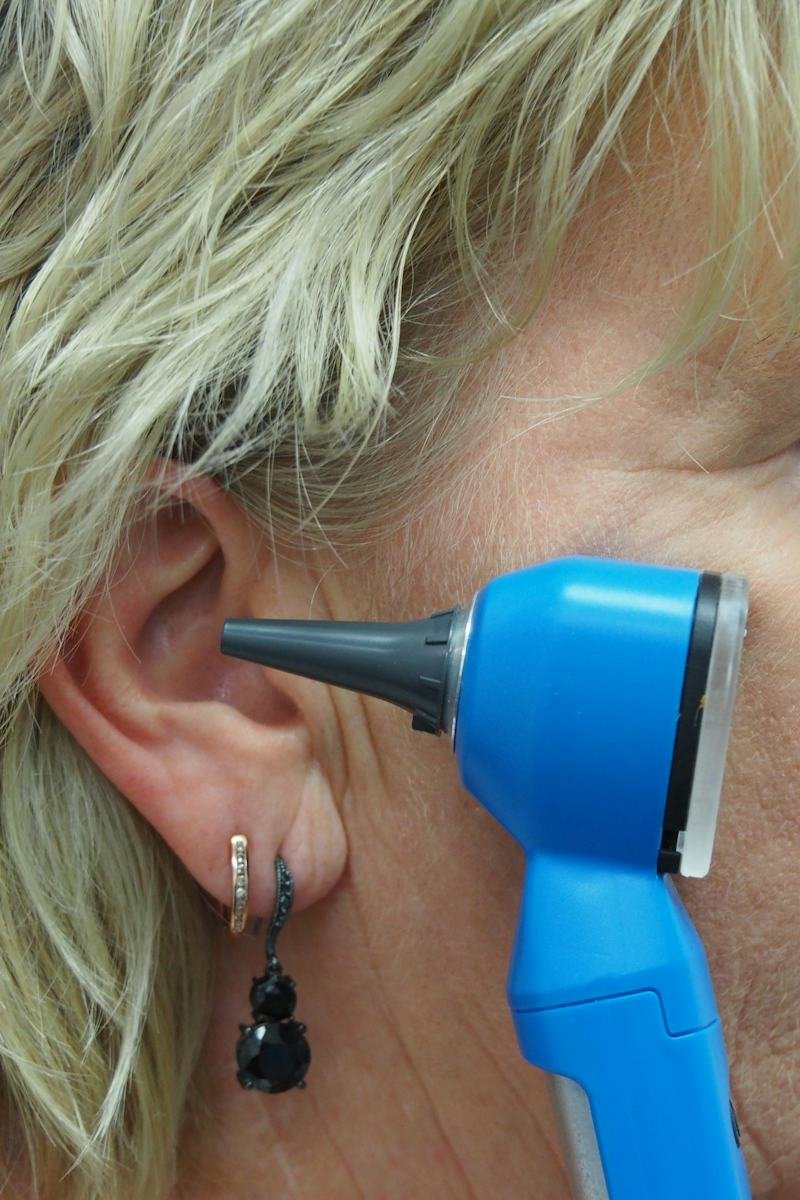
Ear tubes are a routine ENT procedure for children, and adults get them too. A small incision in the eardrum lets fluid drain, and a tiny tube keeps it open. Done in an ENT office, MDsave lists bundled cash prices of $428 to $955.
Move the procedure to an operating room, which is standard for young children who need general anesthesia, and the price climbs. Sidecar Health’s cash-price estimate averages $837 at a surgery center and $1,343 at a hospital outpatient department, with the ENT visit, the insertion and the facility fee each billed as separate lines. The same surgery costs about 60% more in the hospital setting, so asking where it will be done is worth a phone call.
A hole in the eardrum: the expensive medical repair
Many eardrum perforations heal on their own. The ones that do not, often after chronic infection or an injury, may need a tympanoplasty, in which the surgeon grafts tissue over the hole. This is the priciest procedure on our list. Sidecar Health estimates the cash price at about $5,758 at a surgery center and $9,013 at a hospital outpatient department.
Because the goal is hearing and infection control rather than appearance, health plans generally treat it as medical care, so an insured patient’s share is set by the deductible and coinsurance. A hypothetical example: on a plan with a $2,000 deductible and 20% coinsurance, a $5,758 surgery-center bill would leave the patient owing about $2,750 before any out-of-pocket maximum applies (our estimate, using the Sidecar figure). Your plan’s negotiated rate will differ from the cash price.
Where insurers draw the line between cosmetic and covered
ASPS says most health plans will not pay for elective surgery, its complications or its revision, and that pre-certification is often required for anything that might qualify. In practice, the line tends to fall like this:
Usually billed to insurance
- Ear tubes for documented repeat infections or fluid
- Eardrum repair to restore hearing or stop infection
- Earlobe repair soon after a traumatic tear
- Infant ear molding, at most insurers
Usually paid out of pocket
- Adult ear pinning or ear reduction for appearance
- Repair of an old split or a stretched gauge hole
- Revision of a cosmetic otoplasty
- Upgrades such as a private surgery suite
Taxes will not soften a cosmetic bill either. IRS Topic 502 lists most cosmetic surgery as nondeductible, and even qualifying medical costs count only above 7.5% of adjusted gross income when you itemize.
The one-paragraph version
If the problem affects hearing or keeps causing infections, start with an ENT and your insurer, because the bill will likely run through your plan, and the main lever is getting the procedure done in an office or surgery center instead of a hospital. If the goal is appearance, budget $5,000 to $8,000 for pinning both ears in most of the country, insist on a quote that itemizes anesthesia and facility fees, and get two of them. And if the issue is a newborn’s ear or a fresh earlobe tear, act within days: in both cases speed is what keeps the cost low.
Ear surgery cost questions we hear
Is ear reduction surgery cost different from ear pinning?
Ear reduction surgery is a type of otoplasty, so surgeons price it from the same fee schedule. ASPS’s 2024 range for otoplasty surgeon fees is $4,500 to $7,500, before anesthesia and facility charges. Removing cartilage and skin to shrink an ear can take longer than pinning, which may push a quote toward the upper end.
Does insurance cover a revision of cosmetic ear surgery?
Usually not. ASPS says most health plans do not cover elective surgery, its complications or its revision. Ask your surgeon in writing what their revision policy is and what you would pay for anesthesia and the facility if a second operation were needed.
How much does it cost to fix both earlobes at once?
CareCredit estimates $400 to $900 per ear, and repairing both lobes generally costs about double. Ask for a two-ear price up front, since doing both in one visit may save on the visit and setup charges.
Can I deduct ear surgery on my taxes?
Most cosmetic surgery is not deductible, according to IRS Topic 502. Medically necessary procedures such as ear tubes or eardrum repair can count as medical expenses, but only the portion above 7.5% of your adjusted gross income, and only if you itemize. A tax professional can confirm your situation.
Do I need approval from my insurer before ear surgery?
Often, yes. ASPS notes that pre-certification is commonly required for procedures that may qualify for coverage. Have the surgeon’s office submit the request with notes and photos before you book, and get the decision in writing.
Where the ear surgery prices come from
- Ear Surgery Cost, American Society of Plastic Surgeons
- 2024 Average Surgeon/Physician Fees, American Society of Plastic Surgeons (2024)
- How Much Does Ear Surgery Cost?, RealSelf
- How Much Does Earlobe Repair Cost Now?, RealSelf (August 28, 2024)
- Earlobe Repair Surgery Cost and Procedure Guide, CareCredit (October 9, 2026)
- Cost of ear tube surgery, Sidecar Health
- Cost of eardrum and ear canal repair surgery, Sidecar Health
- Topic no. 502, Medical and dental expenses, Internal Revenue Service (updated November 9, 2026)
Other face and procedure prices to compare
- Healthcare, cosmetic and wellness costs in 2027: the complete guide
- What a nose job costs, from tip refinement to full rhinoplasty
- Eyelid surgery prices, covered lids vs cosmetic lids
- Facelift cost myths, tested against the numbers
- MRI cost with and without insurance
- Medical and dental cost estimator
More related guides: Deviated septum surgery cost, line by line · Top surgery cost by technique, surgeon and insurance
Pricing method: prices were researched in November 2026 for 2027 planning and may change. Cash prices and patient-reported averages are not quotes; confirm costs, coverage and medical suitability with a board-certified surgeon or ENT and your insurer. See our disclaimer.