Room for room, a brand-new limited-service hotel and an existing hotel cost surprisingly close to the same amount, and that is exactly why first-time owners get the decision wrong. HVS’s 2026 development cost survey puts the median cost to build a limited-service or midscale extended-stay hotel at $170,000 to $197,000 per room, while hotels that traded for more than $10 million in 2025 averaged $211,000 per room. For an 80-room property, either path lands somewhere around $13.6 million to $17 million before anyone checks in.

The sticker price per room is the least useful number in that comparison. What separates the three realistic ways to start a hotel (build new, buy one that is running, or buy a tired property and put a brand on it) is how much cash you must bring, how long you wait for revenue, and which bill shows up again in year eight. This guide prices all three for 2027 and ends with a rule for choosing.
Three doors into hotel ownership, side by side
| Path | Published cost per room | 80-room example | Time to first guest |
|---|---|---|---|
| Build a new limited-service hotel | $170,000 to $197,000 (median) | $13.6M to $15.8M | 18 to 24 months or longer |
| Build a select-service hotel | About $200,000 (median) | About $16M | 18 to 24 months or longer |
| Buy an operating hotel (trades over $10M) | $211,000 (2025 average), $229,000 (Q2 2026) | $16.9M to $18.3M | Closing day |
| Buy and convert to a brand | Purchase price plus a PIP of $10,000 to $40,000+ | Purchase plus $0.8M to $3.2M | A few months |
Sources: HVS U.S. Hotel Development Cost Survey 2026; LW Hospitality Advisors via Hospitality Net and CoStar; Matthews on brand PIP costs; Wyndham’s franchise FAQ for timelines. Full links below.
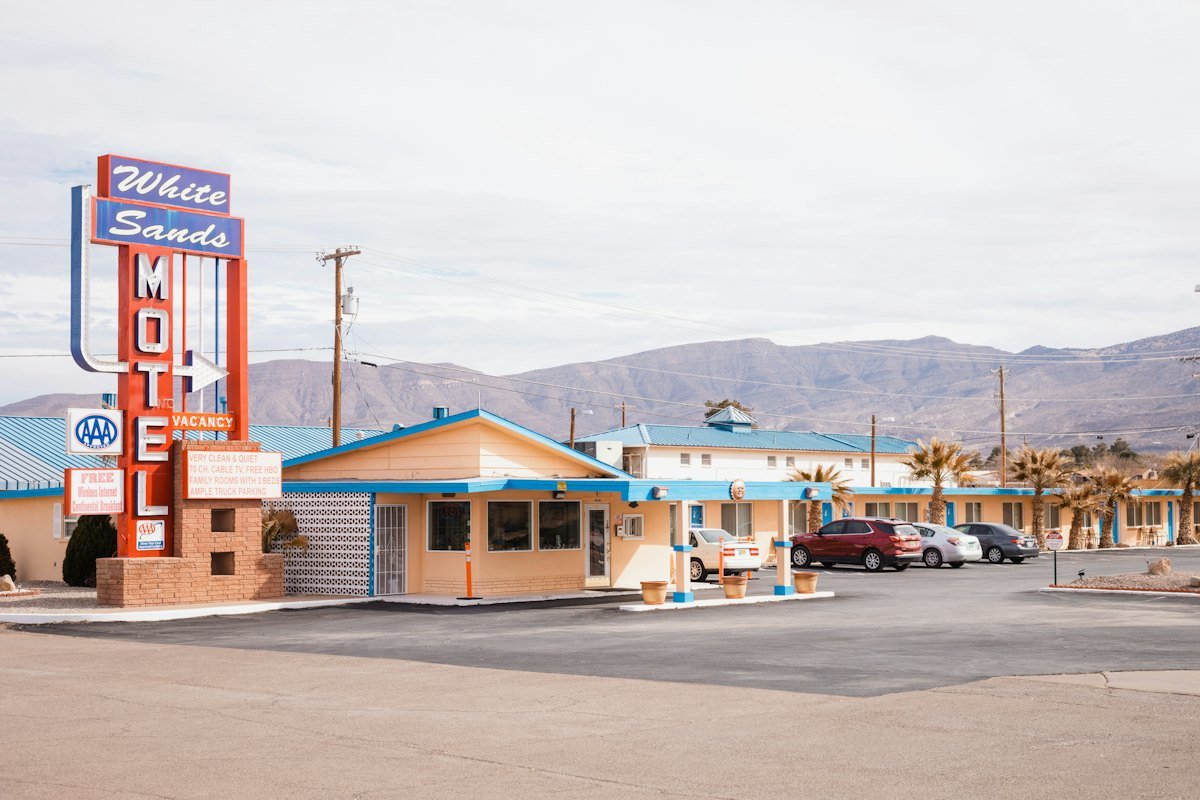
One caution on that third row. The sales averages come from deals above $10 million, a pool that includes full-service and luxury hotels, so they run higher than what a 60-room economy property in a small market sells for. Small motels change hands for far less, but no national survey tracks them well, which is why those deals are priced on the seller’s income rather than on a per-room benchmark.
Building new: a clean asset and a long, expensive wait
Ground-up construction buys the newest product in the market and a full franchise term before the first renovation cycle. It also buys exposure to every cost that rises while the building goes up. HVS’s 2026 survey, which covers budgets for projects proposed or under construction in 2025, lists medians of about $200,000 per room for select-service, around $265,000 for upscale extended-stay and $467,000 for full-service. Its overall median across all surveyed hotels was $213,000 per room.
Those medians will not hold still. HVS cites a Turner Building Cost Index increase of 4.8% over the trailing twelve months in 2026, up from 4.1% in 2025, and names tariff policy, especially duties on imported metals, as the main driver of renewed cost pressure. Its advice is to inflate every line of a budget across a three-to-five-year development timeline, which is a polite way of saying that a 2027 groundbreaking should not be priced off a 2025 bid.
Then add the brand. Entrepreneur’s Hampton by Hilton franchise listing shows a $100,000 initial franchise fee, a 6% royalty and a 4% advertising fee, with a total initial investment of $17,043,739 to $29,121,080 and a 22-year agreement. That range is a reasonable reality check for a new midscale hotel: it includes land, construction, furniture and the fees an owner pays before opening.

Time is the hidden cost. Wyndham’s franchise development FAQ says a new construction project may take 18 to 24 months or longer, against just a few months for a conversion. Every one of those months carries construction-loan interest, insurance and your own equity earning nothing.
Buying a running hotel: paying for cash flow on day one
An operating hotel comes with staff, reviews, a booking history and revenue from the first night you own it. Prices have softened from their peak. LW Hospitality Advisors’ 2025 sales survey counted 392 U.S. hotel trades above $10 million at an average of $211,000 per room, down 13% from $243,000 in 2024. Through 2026 the figure has bounced: CoStar reported $263,000 per key in the first quarter and $229,000 in the second, with buyers citing persistently elevated borrowing costs.
What you are paying for is income, so the seller’s trailing twelve months of revenue and expenses matter more than any per-room average. Ask for monthly profit-and-loss statements, the franchise agreement and its expiration date, and the brand’s most recent quality inspection. A low price on a hotel whose franchise expires in two years is not a bargain if the brand will demand a full renovation to renew.
Buy and convert: the PIP is the price of the flag
The conversion route means buying an independent or tired branded hotel and signing with a brand that will lend you its reservation system and loyalty members. In exchange, the brand writes a property improvement plan, or PIP, listing everything you must fix. That document is the true price of entry, and it varies more than most buyers expect.
Matthews’ 2024 review of brand PIPs quotes Hunter Hotel Advisors putting midmarket PIPs at $35,000 to $40,000 per key, and it cites brand programs that run lower or higher depending on age:
- Holiday Inn Express Formula Blue 2.2: $10,000 to $25,000 per room, or $940,000 to $2.6 million per hotel.
- Hampton Inn “Forever Young,” hotels built 1990 to 1995: $20,000 to $30,000 per room, plus $1 million to $1.75 million for exterior work.
- Hampton Inn, 1980s construction: can exceed $40,000 per room.
- Overall trend: PIP costs up more than 30% from pre-COVID levels, according to the same report.
The age of the building drives the PIP, so a cheap 1980s property can end up costing more than a pricier 2005 one once the brand is done with it. Get the PIP in writing before you set your offer price, not after.

Your equity check: where the three paths really split
Most first-time owners finance with an SBA 504 loan, and the down payment rules treat hotels differently from offices or shops. NerdWallet’s guide to SBA 504 loans explains that the standard borrower contribution is 10%, but special-purpose properties such as hotels need 15%, and a new business buying one needs 20%. The CDC portion of a 504 loan is generally capped at $5 million, with rates on that piece typically around 5% to 7%, so a bank first mortgage carries the rest of a large project.
This is how that plays out for one hypothetical first-time owner with no hotel already in operation, so the 20% rule applies. The new-build figures use the HVS limited-service median range; the conversion uses an assumed $8 million purchase of an 80-room 1990s property, which is our illustration and not a market quote.
| Line | New 80-room build | 80-room buy and convert |
|---|---|---|
| Project cost | $13.6M to $15.8M | $8.0M purchase (assumed) |
| Brand PIP at $20,000 to $30,000 a room | None at opening | $1.6M to $2.4M |
| Total to finance | $13.6M to $15.8M | $9.6M to $10.4M |
| Owner equity at 20% | $2.7M to $3.2M | $1.9M to $2.1M |
| Months with no room revenue | 18 to 24+ | Few or none (hotel keeps operating) |
The conversion needs roughly $800,000 to $1.1 million less equity and earns revenue during the renovation. The new build gets a longer runway before its first major renovation and avoids buying someone else’s deferred maintenance. Neither number includes working capital, pre-opening payroll or a cash reserve, which every lender will ask about.
The renovation bill that returns every seven to fifteen years
Whichever door you choose, the brand will be back. Matthews puts the typical PIP cycle at every seven to 15 years, and franchise agreements outlast several of them: Wyndham says most run 20 years. Spending on upkeep has also crept up. Hotel Management reports that hotels now spend about 7% of annual revenue on capital expenditures, against a more traditional 4%, and that in an August 2025 AHLA survey of nearly 400 owners and operators, 32% had delayed development or renovation projects.
Three lines catch new owners off guard, and none of them has a national price:
Pre-opening costs
Hiring and training staff, stocking linens and supplies, and marketing before the doors open. A new build carries all of it; a conversion mostly does not, because the hotel is already staffed.
Working capital for slow months
Hotels in seasonal markets can run at a loss for a quarter at a time. Lenders want to see cash set aside for payroll, utilities and debt service during those stretches, separate from the down payment.
The furniture reserve
Most lenders and brands expect an owner to set aside a share of revenue every month for replacing furniture, fixtures and equipment. Treat it as a fixed expense, because the next PIP will be paid from it or from fresh equity.
Choosing your path: a rule for 2027 buyers
Build new only if you hold at least 20% of a fully inflated budget plus a year of carrying costs, own or control a site where the brand will grant territory, and can wait two years for revenue. Buy an operating hotel if you want income immediately and the franchise has many years left. Buy and convert if your equity is under $2.5 million or so and you can find a 1990s or newer building whose PIP you have seen in writing; older buildings tend to erase the discount.
Next year’s backdrop favors patience on new construction. HVS forecasts U.S. hotel supply growth of just 1.1% in 2027, after 0.8% in 2026, partly because developers face higher costs and lenders demanding larger equity contributions. Thin supply helps existing hotels hold their rates, which is good news for buyers of running properties and a reason construction lenders remain selective.
Three calls to make before you write an offer
- A hotel broker in your target market, for recent sales of similar-size properties and the income they were priced on.
- Two brands’ franchise development teams, for the current Franchise Disclosure Document (Items 5, 6 and 7 list initial fees, ongoing fees and the estimated investment) and a sample PIP for the property you are eyeing.
- An SBA lender or certified development company that has closed hotel loans, to confirm your down payment, reserve requirements and how much experience they expect from you or your management company.
Questions first-time hotel buyers also ask
Can I start a hotel with no hospitality experience?
Yes, but expect lenders and brands to ask who will run it. Many first-time owners hire a third-party management company, which brands and lenders tend to accept in place of personal experience. Its fee becomes an ongoing operating cost, so include it in your projections.
How long does a hotel franchise agreement last?
Usually about two decades. Wyndham says most hotel franchise agreements run 20 years, and Entrepreneur’s Hampton by Hilton listing shows a 22-year term. Leaving early can trigger liquidated damages, so read the termination section of the agreement closely.
Where do I find a brand’s exact franchise fees?
In its Franchise Disclosure Document. Item 5 lists the initial fees, Item 6 lists ongoing fees such as royalties and marketing, and Item 7 estimates the total initial investment. Brands must hand over the FDD before any agreement is signed or money changes hands.
Does the brand transfer when I buy a franchised hotel?
Not automatically. The buyer typically applies to the brand for a new or transferred franchise, and a change of ownership often triggers a fresh PIP. Ask the brand for that PIP during due diligence and price it into your offer.
Is it a good time to build a hotel in 2027?
It depends on the market. HVS expects U.S. supply to grow only 1.1% in 2027, which limits new competition, but it also reports construction costs still rising about 4% to 5% a year and lenders asking for larger equity contributions. Run the numbers with a local feasibility study before committing.
Price sources
- HVS U.S. Hotel Development Cost Survey 2026, HVS (July 13, 2026)
- 2025 Major U.S. Hotel Sales Survey & Lodging Sector Overview, LW Hospitality Advisors via Hospitality Net (January 2026)
- Optimism for hotel deals builds for second half of 2026, CoStar News (July 28, 2026)
- Things to Consider If Your Hotel PIP Is Coming Due, Matthews (April 2024)
- Hampton by Hilton Franchise Information, Entrepreneur
- The Complete Guide to Hotel Franchise Costs and Profitability, Wyndham Hotels & Resorts (December 2025)
- SBA 504 Loan: What It Is and How to Get One, NerdWallet (updated May 28, 2026)
- Hotel owners take a phased approach to PIPs as capital pressures persist, Hotel Management
More startup budgets worth comparing
- Small business startup costs in 2027: the complete guide
- What it costs to start an RV park
- Cost to start a casino, state by state
- Franchise fees vs the 10-year bill
- Liquor license prices, from beer permit to full bar
- Business license cost by state and city
Pricing method: prices were researched in November 2026 for 2027 planning and may change. Per-room figures are published survey medians and averages, 80-room totals and the equity comparison are our estimates, and financing terms vary by lender and borrower. This is general information, not financial or legal advice; confirm terms with a licensed lender, attorney or the brand. See our disclaimer.