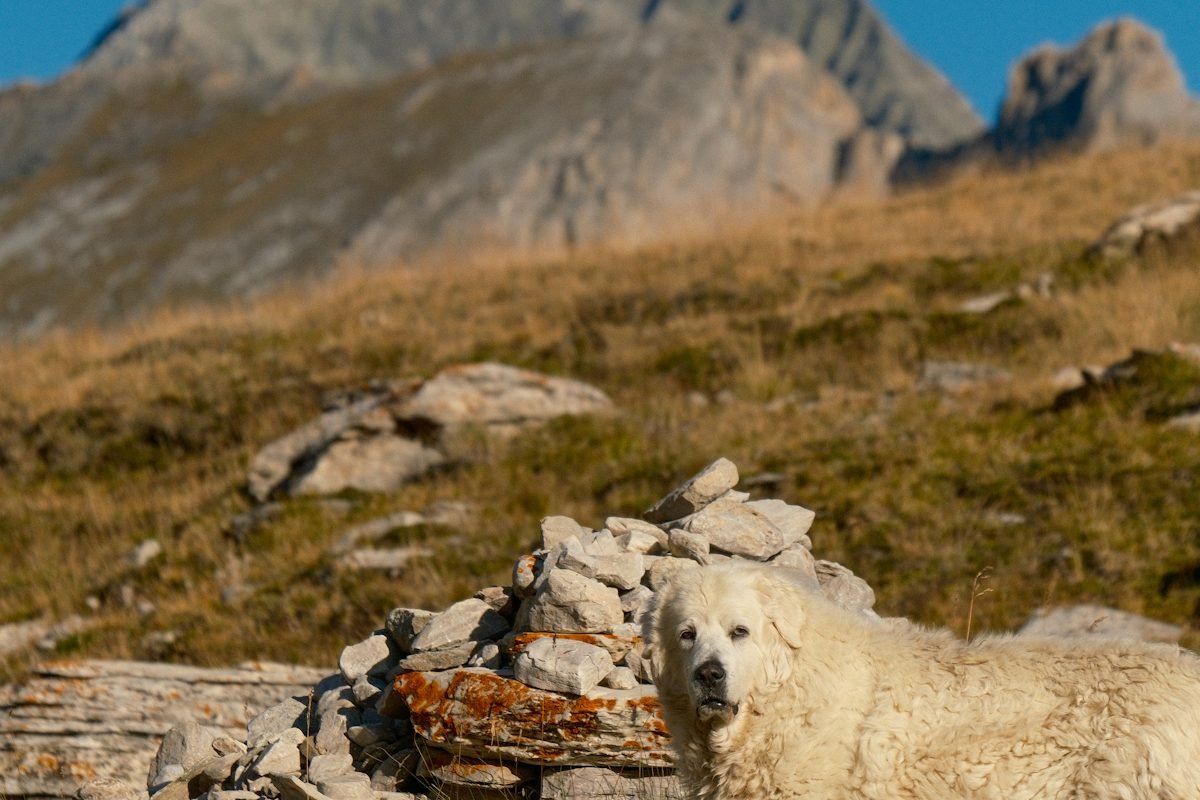
Five hundred dollars, nonrefundable. That is what one established Michigan breeder asks just to hold a place on the list for a future Alabai litter, before a single puppy has been born. The puppy itself starts at $3,500 there, and across the U.S. a registered Central Asian Shepherd from a breeder who health-tests usually lands between about $1,500 and $3,500 or more. Anything far below that deserves suspicion, and anything imported from Central Asia comes with a federal paperwork bill on top.

The Alabai is rare here, which makes its price hard to pin down and easy to fake. So rather than one tidy average, we worked through the questions buyers tend to ask in the order they ask them, from the sticker to the fence, the food and the insurance letter. Every figure below comes from a published price list, a federal agency or a retailer listing checked in November 2026.
What does a legitimate Alabai puppy cost in the U.S.?
Published breeder prices are scarce, because many kennels quote only by email. The ones that do publish cluster at the top of the range, and the general estimates sit lower. The table shows each price we found and what it actually covers.
| Source | Price found | What it includes or means |
|---|---|---|
| Guardian Dog kennel, Michigan (published list) | From $3,500; $500 nonrefundable deposit | First vaccine, deworming, microchip, vet health certificate, AKC limited registration, ears cropped and tail docked, 12-month written hip and elbow dysplasia guarantee; shipping extra |
| Canine Journal breed estimate | At least $1,500 to $2,000 | Well over $2,000 for a high-quality bloodline; $3,000 described as not unusual |
| Rover 2026 cost report, all breeder dogs | $675 to $4,440 upfront | Covers the purchase and first costs for dogs bought from breeders, all breeds and sizes |
| Imported from Central Asia | Puppy price plus import costs | Vet certification, rabies titer, CDC facility exam and flight; facilities quote individually |
Two details in that first row matter more than the headline number. “Limited registration” means the dog is registered with the AKC, but its puppies cannot be; if you ever plan to breed, ask what full registration costs before you pay a deposit. And the breed sits in the AKC’s Foundation Stock Service rather than its fully recognized list. As of the AKC’s June 2026 update, Central Asian Shepherd Dogs are eligible for companion events such as obedience, rally, agility and tracking, which is useful for owners but also means “AKC champion” claims deserve a close look.
Why are some ads so much cheaper, and how do the scams work?
Rare, photogenic breeds attract fake sellers, and the Alabai fits the pattern. The usual setup is a polished website or social post with stock-looking photos, a price a third below the market, and a “shipping fee” or “crate fee” requested by wire, gift card or payment app. The puppy never existed. A second, quieter risk is a real dog that is a mix or comes with no verifiable pedigree, sold at purebred prices.
A long-running breeder’s checklist for Central Asian Shepherd buyers lists the warning signs worth acting on:
- Parents described as champions with no certificates from a recognized registry to back it up.
- A breeder who does not screen breeding dogs for hip and elbow dysplasia, or says the problem does not exist in the breed.
- No videos of the puppies or parents moving, only still photos.
- Parents with no registration, or papers available only in a foreign language with no translation or verification.
- A seller in the U.S. who will not meet in person and sells only online.
Pay deposits by credit card where possible, never by gift card or crypto, and ask for a video call with the dogs on the property. If a seller rushes you with “three other families want this puppy,” walk.
What does it take to import one from Central Asia?
The breed’s homeland is the problem. Kazakhstan, Kyrgyzstan, Russia, Tajikistan, Turkmenistan, Ukraine and Uzbekistan are all on the CDC’s list of high-risk countries for dog rabies, last updated April 15, 2026. A dog vaccinated abroad that has been in any of them during the previous six months must meet the CDC’s strictest entry rules:
- It must be at least 6 months old when it lands, so no young puppies.
- The microchip must be implanted before the rabies shot, or the vaccine does not count, and the first valid dose must be given at 12 weeks or older.
- A rabies blood titer drawn at least 30 days after vaccination and at least 28 days before travel, or else a 28-day quarantine at the owner’s expense.
- A certification form endorsed by an official government veterinarian, plus a receipt from the free CDC Dog Import Form.
- A reservation at a CDC-registered animal care facility, and arrival at that airport. As of September 2026 there are nine facilities at eight airports: Atlanta, Dallas-Fort Worth, Los Angeles, Miami, New York JFK, Philadelphia, Seattle and Washington Dulles.
Neither the CDC nor the pet shippers we checked publish a standard fee for the facility exam, revaccination or quarantine; each facility quotes directly. That uncertainty is the point: an “imported bloodline” puppy priced like a domestic one rarely accounts for months of paperwork and a cargo flight. No changes to these rules have been announced for 2027, but they can be revised, so check the CDC importation pages before committing.
What else lands in the first year?
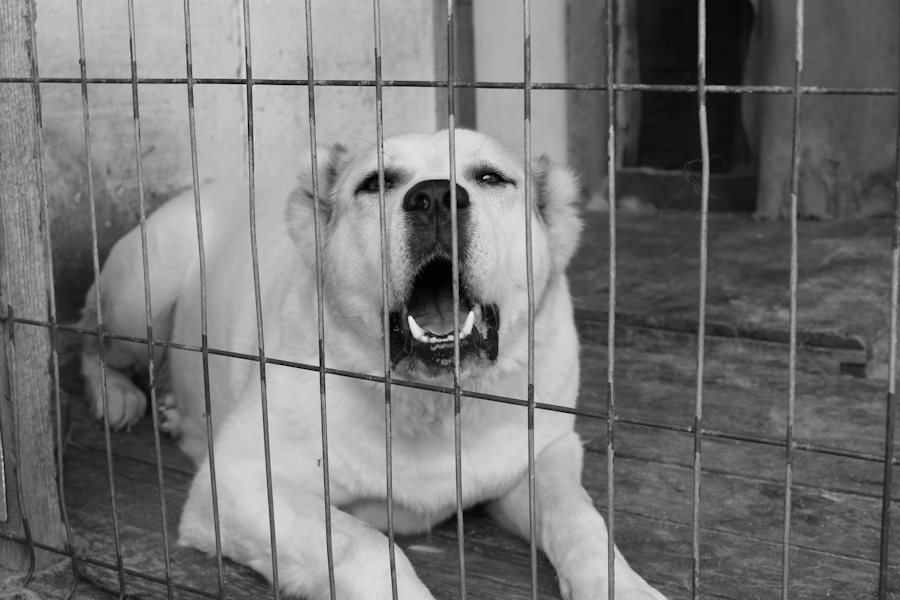
For most breeds, the first year is about vaccines and a crate. For a livestock guardian that can reach 88 to 110 pounds or more and stand 24 to 28 inches at the shoulder, it is about containment. Alabai are bred to patrol and to decide for themselves who belongs, so a low or patchy fence is not a minor gap. Budget for a tall, solid fence before the puppy comes home, and get quotes based on your actual yard; our chain link fence cost guide is a useful starting point if you are fencing from scratch.
Then come the routine costs every puppy carries: core vaccines, a spay or neuter, a giant crate and bed, and training. Training matters more than usual with a guardian breed; early socialization classes and, ideally, a trainer who has worked with livestock guardians are cheaper than a liability claim later. We priced the vet side in our vet visit cost guide and the surgery in spay and neuter costs; expect the large-dog end of both ranges, since anesthesia and medication are dosed by weight.
Small-breed adult dogs cost an average of 63% less per year than large- to giant-breed adult dogs.
Rover, 2026 cost of pet ownership report
How much does it cost to feed a dog past 100 pounds?
Food is the line that never stops. A 34-pound bag of Purina Pro Plan Adult Large Breed Chicken and Rice sells for $77.48 at Chewy, or $73.61 on Autoship, which works out to about $2.28 a pound at the regular price.
An example, not a feeding recommendation: if your adult dog eats about 1.25 pounds of kibble a day, that is roughly 456 pounds a year, or about 13.4 bags. At $77.48 a bag the year costs about $1,040; on Autoship, about $988. Your dog’s real portion depends on weight, age and activity, so follow the chart on the bag and your vet’s advice. Guardian breeds are often calmer and eat less than their size suggests, but a growing puppy can go through food quickly.

Which health costs should you plan for?
Central Asian Shepherds are generally hardy and often live 12 to 15 years, but like most giant breeds they can develop hip and elbow dysplasia, arthritis, obesity and hypothyroidism. Some of the screening is cheap, and worth doing:
| Check | Published price | When it matters |
|---|---|---|
| OFA hip and elbow evaluation, together (dog over 24 months) | $50 OFA fee, plus your vet’s X-rays | Confirms the parents were screened; ask for their OFA numbers |
| OFA hip or elbow evaluation, single | $45 each | Useful for your own dog before heavy exercise or breeding |
| Embark Breed + Health DNA kit | $125 at Chewy (list $199) | Checks breed makeup and genetic health markers; useful when papers are thin |
Note how short a typical guarantee is next to that risk. The Michigan kennel above offers 12 months of written coverage for crippling hip and elbow dysplasia, which is better than nothing but ends long before most arthritis appears. That gap is the case for buying pet insurance while the puppy is young, before any condition can be called pre-existing.
Will an Alabai affect your homeowners insurance or lease?
Possibly, and this is the cost buyers most often skip. Homeowners and renters insurers set their own breed policies, and many restrict or surcharge large guardian and mastiff-type dogs, or exclude dog-bite liability altogether. Few lists name the Alabai specifically, which can cut either way: an underwriter may lump it in with other guardian breeds. Before you place a deposit, ask your insurer in writing whether a Central Asian Shepherd is covered and at what premium, and read your lease or HOA rules for size and breed limits. If the answer is no, a separate canine liability policy or an umbrella policy may be an option worth pricing.
Who should buy one, and who should wait
A good fit if you have: a fenced property with room to patrol, experience with independent large breeds, a confirmed yes from your insurer, roughly $1,000 a year set aside for food alone, and the patience to wait months for a health-tested litter.
Better to wait if you have: an apartment or an unfenced yard, frequent visitors you cannot manage around a guardian dog, a lease or policy with breed limits, or a seller offering a puppy that is cheap, available today and payable by wire.
The decision rule is simple: if the fence, the insurance answer and a verifiable breeder are all in place, the $1,500 to $3,500 puppy price is the smallest of your costs. If any of the three is missing, fix that first; the puppy will still be there next litter.
Alabai price questions owners still ask
Is an Alabai the same as a Central Asian Shepherd Dog?
Yes. Alabai is the Turkmen name for the type, and Central Asian Shepherd Dog or Central Asian Ovcharka is the name most registries use. In the U.S. the AKC records the breed in its Foundation Stock Service as the Central Asian Shepherd Dog.
Can I adopt an Alabai instead of buying a puppy?
Sometimes. Purebred Central Asian Shepherds are uncommon in shelters, but livestock guardian dog rescues and general rescues occasionally place them or close mixes. Adoption fees are set by each rescue and are usually far below breeder prices. Ask about the dog’s history with strangers and other animals.
Do male and female Alabai puppies cost different amounts?
Not always. The Michigan breeder we checked says its prices do not vary by color or gender. Other kennels may charge more for show or breeding prospects, so ask what the price assumes before you compare quotes.
How much does an adult Alabai cost compared with a puppy?
Adult and retired breeding dogs are sometimes rehomed for less than a puppy, but few breeders publish adult prices. An adult offers a known temperament and confirmed hips, which can be worth more to a first-time guardian owner than a lower price.
Is ear cropping and tail docking included in the Alabai dog price?
With some breeders, yes. One Michigan kennel includes both in its starting price. If you prefer a dog with natural ears and tail, ask before reserving, since the work is usually done when puppies are very young.
Other breeds and pet bills we have priced
- Family costs in 2027: the complete guide, from pets to childcare
- Kangal dog price, puppy to 12 years
- Golden retriever price, from deposit to senior years
- How much pet insurance costs
- Vet visit cost by clinic type and problem
- Spay and neuter cost compared
Pricing method: prices were researched in November 2026 for 2027 planning and may change. Breeder prices are from published kennel price lists, import rules from CDC.gov, food and DNA kit prices from Chewy listings, and screening fees from the OFA fee schedule. We are not affiliated with any breeder or retailer named. See our disclaimer.