The most common way to overpay for a Siamese is to hand over breeder money for a cat that only looks like one. Through a rescue, a Siamese or Siamese-type cat usually costs $100 to $300, while breeder kittens run about $400 to $1,000 for pet quality and $1,200 to $2,500 or more for show quality, according to Petful’s 2026 Siamese price guide. Those are the figures to plan with for 2027; no registry, rescue group or regulator has announced a change to them.

Between those numbers sits a lot of folklore. Sellers lean on it, and buyers repeat it to each other. Below, six things people believe about the price of a Siamese cat, each checked against what the data and the paperwork actually show.
What each kind of seller charges for a Siamese
Start with the market itself. The range is wide because “Siamese” covers everything from a registered show cat to a pointed shelter kitten with no known parents.
| Where the cat comes from | Typical price | What the price usually includes |
|---|---|---|
| Breed rescue or shelter | $100 to $300 | Often spay or neuter, vaccines and a microchip |
| Retired breeding adult | $100 to $400 | An adult with a known history, usually already altered |
| Classified or backyard listing | $200 to $350 | Often no health testing and no registration |
| Breeder, pet quality | $400 to $1,000 | Registration papers with a spay or neuter contract |
| Breeder, show quality | $1,200 to $2,500 or more | Breeding or show rights, closer match to the breed standard |
| Breeder, rarer colors | $1,500 to $3,000 | Flame, lynx and other less common point colors |
Source: Petful’s Siamese price guide (updated August 2026). Catster’s 2026 Siamese price guide reports a wider breeder range of $500 to $2,800 and adoption fees of $75 to $175.
“Blue eyes and dark points mean it’s a Siamese”
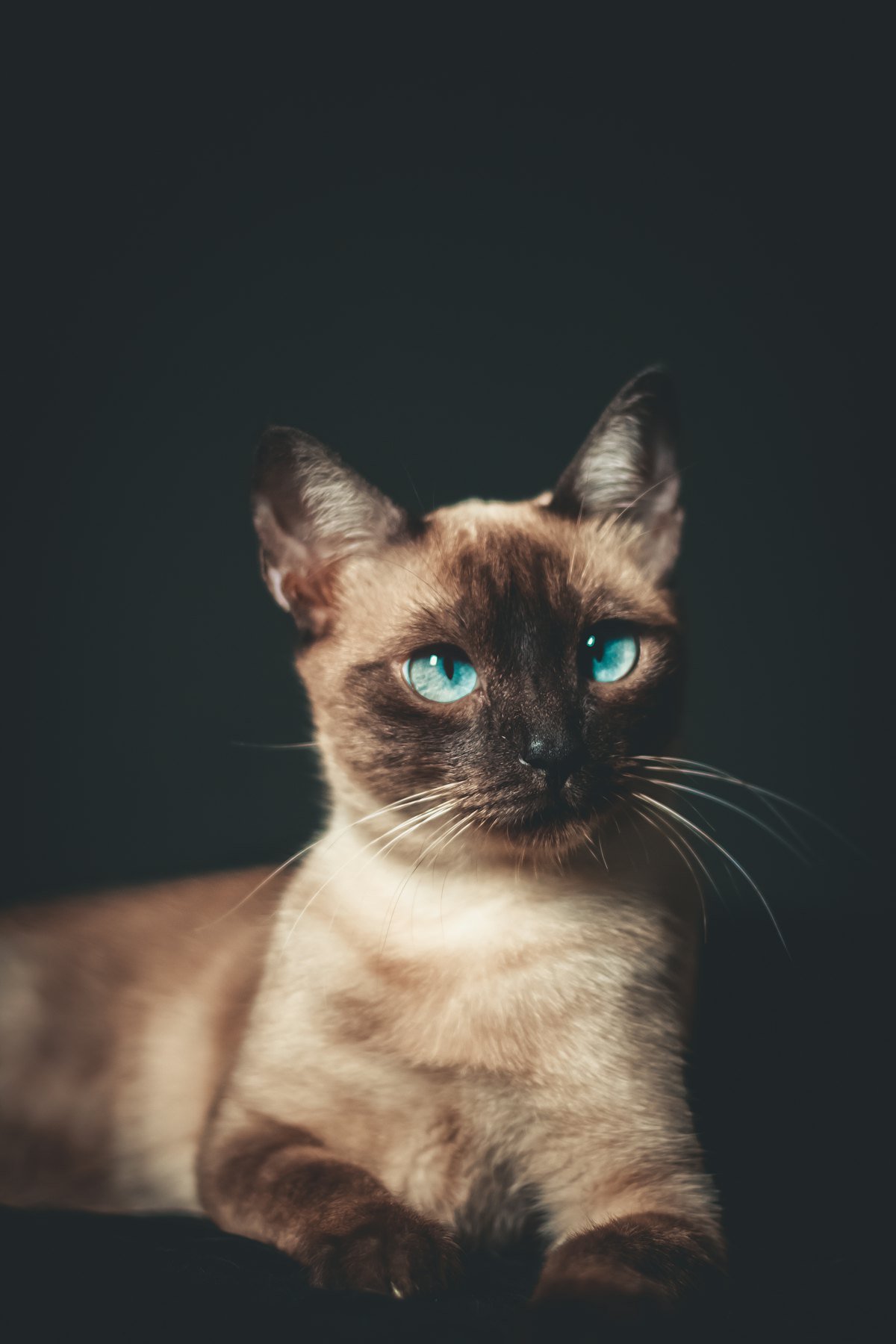
They mean the cat carries the colorpoint gene, which shows up in plenty of mixed-breed cats. The pale body, dark mask and blue eyes are a pattern, not a pedigree. What makes a cat a Siamese in the eyes of a breeder or a registry is a documented line of registered parents, and that is the thing you pay breeder prices for.
That is not a knock on pointed cats without papers. Many of them are sweet, chatty and healthy, and a shelter or rescue will place one for a modest fee. The problem starts when someone charges $800 for “a Siamese” and cannot show you registration papers for the parents. At that point you are paying a pedigree price for a cat that is, on paper, a domestic shorthair. Ask which registry the parents are with, ask for their registration numbers, and expect a pet-quality kitten to come with papers and a spay or neuter agreement.
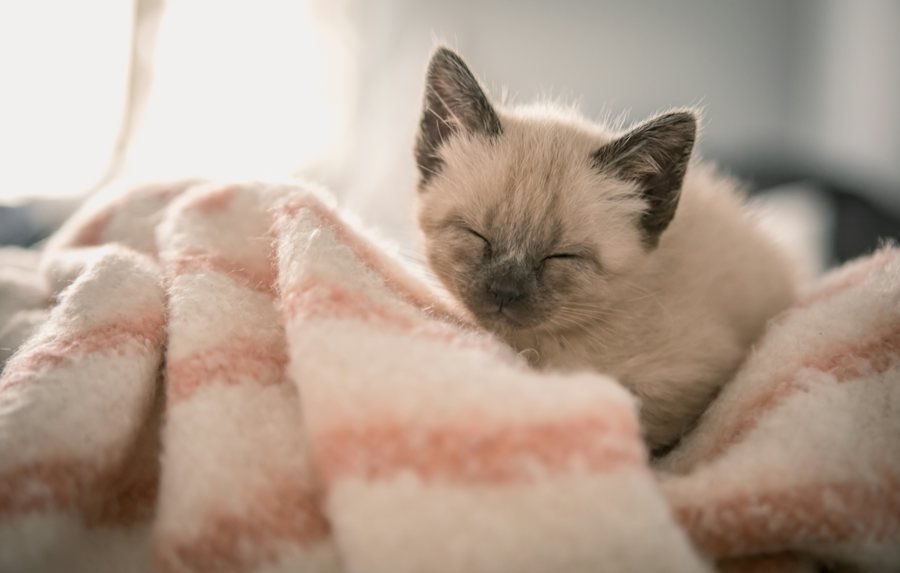
One wrinkle buyers miss: Siamese kittens are born nearly white, and their points darken over the first months. A photo of an eight-week-old kitten tells you little about how it will look at a year, which is one more reason the paperwork matters more than the picture.
“A $300 kitten from a classified ad is a lucky find”
Sometimes the cat is real and simply unregistered. Petful notes that backyard and classified listings in the $200 to $350 range often mean no health testing. That is a fair price for a pet-type cat, and an unfair one if it is sold to you as a purebred.
Other times the cat does not exist. In AARP’s summary of Better Business Bureau data, 70 percent of people targeted by pet scams lost money, with a median loss of $750 in 2020, and the warning signs read like a description of the cheap Siamese ad: a price far below the normal rate for a popular breed, a seller who will only ship, and payment by money transfer, gift card or prepaid card. The losses keep coming. 95.3 MNC’s report on the BBB’s latest study says pet fraud makes up nearly 18 percent of online shopping scams, with losses topping $1.3 million in a year.
The BBB estimates that 80 percent of sponsored search links for pet sales may be fraudulent.
As reported by AARP
The tell is usually what happens after the first payment. Scam sellers invent a shipping crate fee, then an insurance fee, then a vet certificate, each one small enough to seem worth paying to protect the money already sent. A real breeder will meet you, or at least walk you around the kittens and the mother on a live video call, before taking any deposit.
“Flame and lynx points are worth the surcharge”
Petful puts flame and lynx point kittens at $300 to $1,000 more than a comparable seal point, and its table lists rarer colors at $1,500 to $3,000. Whether that is worth it depends entirely on what you want the color for, because it buys nothing in health, temperament or lifespan.
There is also a naming issue that can matter if you ever plan to show or breed. Registries do not all agree on which colors count as Siamese. In some, the classic seal, chocolate, blue and lilac points are Siamese, while red, cream and lynx points are registered under a separate colorpoint breed name. A breeder advertising a “rare flame Siamese” may be entirely honest; just ask which registry the kitten will be papered with and under what breed. If the answer is vague, the surcharge is buying a marketing word.
“Show quality means a healthier cat”
Show versus pet quality is about looks: head shape, body length, ear set and coat color measured against the breed standard. A kitten priced at $2,000 because its profile is perfect is not, for that reason, any healthier than its $700 littermate with a slightly rounder face.
Health is a separate line item. Petful estimates that a kitten from health-tested parents costs $100 to $300 more up front than one from an untested line, and that is the premium worth paying. Catster’s vet-reviewed list of Siamese health problems includes asthma, amyloidosis, progressive retinal atrophy, megaesophagus and several cancers. Ask the breeder which conditions the parents were screened for, by whom, and whether the contract offers anything if a hereditary problem appears.
“Rescue Siamese are the risky, bargain-bin option”
Breed rescues are often the best value in the whole market, and they are more selective than people expect. Austin Siamese Rescue’s listing on Adopt a Pet sets fees at $100 to $225, covering a combo test, vaccinations, worming, flea control and a microchip. It spays or neuters every adult cat before placement, along with most kittens, and screens adopters with reference checks, phone interviews and sometimes home visits.
Compare that with doing the same vet work yourself after a breeder purchase. Catster puts spay or neuter surgery at $200 to $350, vaccines at $100 to $200 and a microchip at $50 to $75. In other words, a rescue fee can cost less than the vet work it already covers. The trade-off is choice: you take the cats that need homes, many of them adults or Siamese mixes, and some rescues will not place a cat in a home that lets it outdoors.
“The kitten is the big expense”
Not even close. Petful’s first-year budget for a pet-quality Siamese, purchase included, totals $1,705 to $4,460, and it puts ongoing care at $700 to $1,800 a year after that. Rover’s 2026 survey, as reported by FOX 5 New York, found owners of a medium-sized cat spending $70 to $305 a month, costs up 15 percent over the previous year, and a lifetime cost of owning a cat of $72,595.
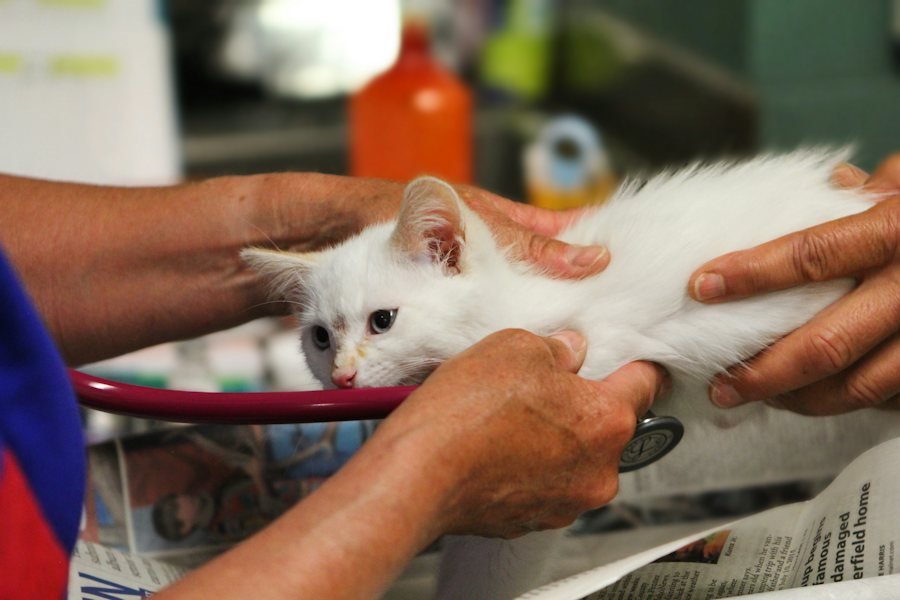
Against a lifetime figure like that, the gap between a $175 rescue fee and a $700 breeder kitten looks small. It is still real money in year one, though, and the example below shows how the two paths compare once the first year of care is added.
Example: first-year cost, rescue versus breeder (hypothetical)
Buyer A pays a $700 breeder for a pet-quality kitten, then covers everything on Petful’s first-year list herself: first vet visits and vaccines ($150 to $300), spay ($150 to $400), microchip ($25 to $60), food ($300 to $700), litter ($80 to $200), carrier, bed and scratchers ($100 to $300), insurance ($200 to $500) and an emergency fund ($300 to $1,000). Her first year comes to about $2,005 to $4,160.
Buyer B adopts from a breed rescue for $175, with the spay, vaccines and microchip already done. She still budgets a wellness visit and every other line above. Her first year comes to about $1,305 to $3,175.
The difference, roughly $700 to $1,000, is our estimate based on the cited ranges. It is mostly the purchase price itself, since the vet work is a wash.
The paperwork a fair Siamese sale comes with
Whatever you pay, these are the things that make the price defensible. If a seller cannot produce most of them, the cat may still be lovely, but it should be priced like a rescue, not a pedigree.
- Registration details for both parents, including the registry name and numbers you can check yourself.
- Health-screening results for the parents, with the testing lab or veterinarian named.
- A written contract that states the price, the deposit terms, whether the kitten is pet or breeding quality, and what happens if a hereditary condition shows up.
- Vet records for the kitten’s exams, vaccines and deworming to date.
- A traceable payment method, never a wire, gift card or cash app, and only after you have seen the kitten in person or on a live call.
Other questions Siamese buyers ask
How much is a Siamese cat per month to keep?
Catster’s 2026 guide puts monthly costs for a Siamese at about $115 to $600, covering food, litter, routine vet care, grooming, toys and insurance. Rover’s 2026 survey of cat owners, reported by FOX 5 New York, found $70 to $305 a month for a medium-sized cat.
Is pet insurance worth it for a Siamese?
It depends on your savings. Catster lists insurance at roughly $15 to $75 a month, and the breed is prone to conditions such as asthma and some cancers that can be costly to treat. Rover’s 2026 survey found 38 percent of pet owners would need to take on debt to cover an emergency vet visit, which is the situation insurance is meant to prevent.
Should I pay a breeder deposit by Zelle, wire or gift card?
No. Petful advises never sending a deposit by wire transfer or gift card, and the BBB warns against wires and cash apps for pet purchases. Use a traceable method such as a credit card, and only after seeing the kitten in person or on a live video call.
What does senior care cost for an older Siamese?
Rover’s 2026 figures, as reported by FOX 5 New York, put senior cat care at $2,255 to $4,740. Older cats tend to need more frequent exams, bloodwork and dental care, so budget for higher costs in the later years.
Does a rescue Siamese come already spayed or neutered?
Often, yes. Austin Siamese Rescue, for example, spays or neuters all of its adult cats before placement and most kittens, depending on their size and readiness. Policies vary by rescue, so ask before you apply.
Price sources
- Siamese Cat Price: How Much Does a Siamese Cat Cost?, Petful (updated August 20, 2026)
- How Much Do Siamese Cats Cost? 2026 Price Guide, Catster (updated October 12, 2026)
- Siamese Cat Health Problems: 7 Vet-Reviewed Issues, Catster (updated October 18, 2026)
- Austin Siamese Rescue, Adopt a Pet (2026)
- Here’s how much it costs to own a dog or cat in 2026, FOX 5 New York (May 29, 2026)
- Pet Scams, AARP
- BBB warns of surge in online pet scams, 95.3 MNC (November 24, 2025)
More cat and pet costs on our desk
- The complete family cost guide, from pets to childcare
- Ragdoll cat price by breeder, rescue and rights
- Maine Coon cat price and how to spot a fake bargain
- Bengal cat price and the paperwork behind it
- What pet insurance for a cat costs
- Spay and neuter cost by clinic type
- Vet visit cost by clinic, pet and problem
More related guides: Persian cat price: four ways to get one
Pricing method: figures were researched in November 2026 for 2027 planning and may change. Kitten prices vary by breeder, region, color and registration, and rescue fees vary by organization. Confirm details with the seller or rescue and your veterinarian. See our disclaimer.