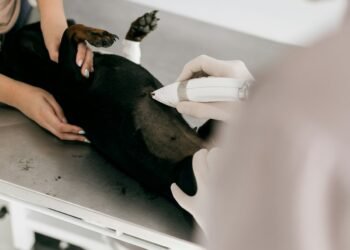
Your vet mentions “a bit of tartar” at the annual checkup, and two weeks later an estimate arrives with a low end and a high end several hundred dollars apart. Nobody has touched a tooth yet. Banfield, the largest U.S. general-practice chain, puts a typical dog dental cleaning at $300 to $700 nationally, including anesthesia and a full-mouth evaluation; PetMD’s veterinarian-written guide narrows routine cleanings at a general practice to $350 to $500. Add extractions, X-rays or a specialist, and the total can pass $1,500.

Most of the gap between those numbers comes from decisions owners make, often without knowing they are making them. Below are the six that cost the most, each with its price, so you can tell a fair estimate from an avoidable one before your dog’s 2027 appointment.
The estimate, line by line
Clinics bundle differently. Some quote one package price; others itemize every syringe. These are the published ranges for the pieces you are most likely to see, so you can check what a package includes.
| Line item | Typical price | Source |
|---|---|---|
| Cleaning with anesthesia, general practice | $300 to $700 | Banfield |
| Anesthesia, when billed separately | $200 to $350 | Dogster |
| Pre-anesthetic bloodwork | $75 to $200 | PetMD |
| IV catheter | $75 to $100 | Dogster |
| Full-mouth dental X-rays | $150 to $250 | Dogster |
| Simple extraction, per tooth | $35 to $75 | Dogster |
| Multi-root tooth split with a drill, per tooth | $192 to $200 | Dogster |
| Pain medication to go home | $35 to $50 | Dogster |
| Antibiotics | $35 to $85 | PetMD |
| Cleaning by a board-certified veterinary dentist | $1,000 to $2,000 | GoodRx, citing Embrace |
Bloodwork sits at the low end for a young, healthy dog and near $200 for seniors or dogs with other conditions, according to PetMD. Extraction prices swing the most: PetMD’s broader range runs $500 to $2,500 per tooth for complex cases, and Dogster reports impacted-tooth removal at $800 to $4,000.
Mistake 1: Waiting for bad breath to schedule it
Odor is a late sign. The American Kennel Club notes that at least 80% of dogs over age 3 show signs of periodontal disease, and by the time you can smell it from the couch, gum tissue and bone are usually involved. That changes the bill category, not just the total.
One published price list shows the pattern clearly. GoodRx cites a Minnesota veterinary center run by the Animal Humane Society that charges about $370 for a routine cleaning, $550 to $735 for an advanced one and about $920 for a complex case. Same dog, same clinic: the later you come in, the more you pay, before a single extraction.
PetMD, citing American Animal Hospital Association guidance, says small and medium dogs should have a first cleaning by age 1 and large dogs by age 2. Small breeds and flat-faced breeds often need one yearly; many large dogs can go 18 months to two years. Booking on that schedule is the cheapest dental plan most owners will ever buy.

Mistake 2: Paying for a cleaning that stops at the gumline
Groomers and pop-up clinics sell “anesthesia-free” cleanings for a fraction of a vet’s price. The trouble is what they cannot reach. The American Veterinary Dental College says scaling the visible crown does not remove the plaque and bacteria beneath the gumline, which is where periodontal disease does its damage, and that the inner surfaces facing the tongue cannot be examined on an awake dog.
Removing visible tartar “has little effect on a pet’s health, and provides a false sense of accomplishment. The effect is purely cosmetic.”
American Veterinary Dental College position statement
AAHA’s guidelines call cleaning without general anesthesia unacceptable and below the standard of care, Banfield does not offer it, and Nevada changed its veterinary practice act in 2014 to require anesthesia for dental cleanings. The financial problem is simple: you pay for the cosmetic version, the disease keeps advancing out of sight, and you end up paying for the full procedure later at a higher grade.
Mistake 3: Striking the X-rays to shrink the estimate
Dental radiographs are the easiest line to cut and one of the worst to lose. At $150 to $250, they are the only way to see roots, bone loss, abscesses and tooth resorption, none of which show on the surface. PetMD recommends X-rays at every dog dental cleaning, and veterinary dentists quoted by the AKC suggest a baseline set by age 2.
Skip them and two things can happen. A tooth that looks fine but has a dead root stays in and becomes next year’s emergency, or a tooth gets pulled that X-rays would have shown could be saved. Either way, the $200 you saved is likely to come back with interest. If a clinic does not have dental radiography at all, that is a reason to compare clinics, not a discount.
Mistake 4: Signing off on extractions with no ceiling
Veterinary dentistry has a structural quirk: the full treatment plan is only known once the dog is asleep and the X-rays are on screen. That is why estimates come as ranges, and why Reddit and pet forums fill up each year with owners surprised by a final bill far above the low end.
Extraction pricing explains most of the jump. A loose incisor that comes out with little effort may cost $35 to $75. A large multi-rooted tooth such as an upper carnassial usually has to be split with a drill, each root lifted out and the gum stitched closed, which Dogster prices at $192 to $200 per tooth at the clinics it surveyed. Some practices charge a flat extraction fee instead; Dogster found examples from $100 for three or more teeth up to $500 to $800.
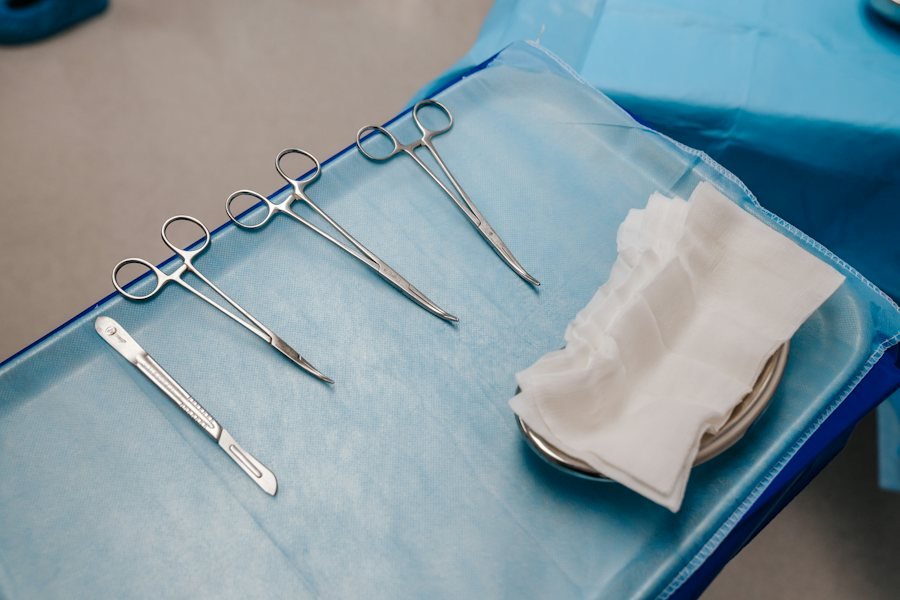
For a hypothetical example, take a dog that needs three simple extractions and one split molar. Using Dogster’s ranges, that adds about $297 to $425 to the cleaning, plus pain medication and possibly antibiotics. The fix is not to refuse treatment; it is to write a number on the consent form. Ask the clinic to call you before going more than a set amount above the high end of the estimate, and keep your phone on during the procedure.
Mistake 5: Counting on pet insurance to pay for the cleaning
Accident-and-illness pet insurance generally does not pay for routine cleanings. Embrace, for example, covers dental illnesses such as gingivitis and periodontal disease up to $1,000 per policy year, but lists dental cleanings, with or without anesthesia, and annual dental checkups as not covered. Some insurers, including ASPCA and Pumpkin, will pay for a cleaning when it is prescribed to treat a covered dental disease, according to NerdWallet’s August 2026 review.
Two fine-print traps matter more than the headline coverage. First, disease that shows up before the policy starts is pre-existing, so buying a policy the week tartar is noted rarely helps. Second, some carriers attach conditions: Trupanion says annual dental exams are required for its dental coverage. Wellness add-ons are the route for routine care, and they are modest; NerdWallet lists MetLife at $100 to $150 a year toward cleanings and Pumpkin’s top wellness tiers at up to $150. Banfield’s Active Care Plus and Senior Care Plus wellness plans include one yearly cleaning with anesthesia and bloodwork, and its other plans offer a discount.
For 2027, no insurer or national chain we checked had announced a change to how dental cleanings are priced or covered. Read your renewal documents for the dental limit, since that is where changes usually appear.
Mistake 6: Shopping two quotes that describe different procedures
A $450 quote and a $900 quote may both say “dental cleaning.” One may include bloodwork, IV fluids, full-mouth X-rays and anesthetic monitoring; the other may list those as extras. A board-certified veterinary dentist costs more again, $1,500 or more according to PetMD, but is the right call for root canals, jaw fractures or complex oral disease. Dedicated pet dental clinics sit in between: GoodRx cites a Colorado clinic at $500, rising to $950. Veterinary school teaching hospitals and nonprofit clinics with income-based discounts are also worth a call.
What to ask each clinic to put in writing
- Is pre-anesthetic bloodwork included, and which panel?
- Are full-mouth dental X-rays included, or only taken if needed?
- Is there an IV catheter and fluids during anesthesia?
- Who monitors anesthesia, and what is monitored?
- How are extractions priced: per tooth, by difficulty or flat fee?
- Which medications go home, and are they in the quote?
- Is a recheck visit included?
Once both quotes cover the same work, the cheaper one is often a fair deal. Financing such as CareCredit can spread the bill, but read the deferred-interest terms before using a promotional plan.
Owners also ask
How often should a dog get a professional teeth cleaning?
Most dogs need one about once a year. PetMD, citing AAHA guidance, says small and flat-faced breeds often need yearly or more frequent cleanings, while many large dogs can go 18 months to two years. Banfield notes some pets need three to four a year. Your vet’s exam findings should set the schedule.
Does dog teeth cleaning cost more for senior dogs?
Often a little. PetMD puts pre-anesthetic bloodwork near $75 for a young healthy dog and up to $200 for seniors or dogs with other conditions, and older dogs are more likely to need extractions. Ask your vet how your dog’s health affects anesthesia planning.
How much is a dog dental cleaning at Banfield?
Banfield does not publish a single clinic price, but says U.S. dental cleanings typically run $300 to $700 with anesthesia. Its Active Care Plus and Senior Care Plus wellness plans include one cleaning a year, and its other plans include a discount.
Is anesthesia for a dental cleaning safe for my dog?
Veterinary groups including AAHA and the American Veterinary Dental College consider general anesthesia the standard for dental cleaning, and pre-anesthetic bloodwork and monitoring are used to reduce risk. Every dog is different, so discuss your dog’s specific risks with your veterinarian.
Can I avoid a cleaning by brushing my dog’s teeth?
Daily brushing slows plaque and can stretch the time between cleanings, but it cannot remove tartar or treat disease below the gumline. It works best starting right after a professional cleaning.
Three calls to make before the appointment
Your vet’s front desk. Ask for an itemized estimate that lists X-rays, bloodwork, anesthesia monitoring and how extractions are priced, and tell them the dollar amount at which you want a phone call mid-procedure.
A second clinic. Read them the same list and get a comparable number. A dedicated dental clinic, a veterinary school or a nonprofit hospital may come in lower for identical work.
Your insurer or wellness plan. Confirm whether the cleaning itself is covered, what the annual dental limit is, and whether any exam requirement applies, so the reimbursement you expect matches the policy you have.
More vet bills we have priced
- Family costs in 2027: the complete guide, from pets to childcare
- Vet visit cost by clinic type, pet and problem
- What pet insurance costs, and why buying young pays
- Spay and neuter prices at four kinds of clinics
- Golden retriever costs from deposit to senior years
- Dog cremation costs and the extras to skip
Pricing method: prices were researched in November 2026 for 2027 planning and may change. Figures come from Banfield’s dental care page, PetMD (updated October 2025), Dogster’s 2026 extraction price guide, GoodRx, NerdWallet (August 2026) and insurer coverage pages. Prices vary by clinic, region and your dog’s condition; confirm with your veterinarian. This is general information, not veterinary advice. See our disclaimer.