A $129.99 bottle and a $1,350 shop package can both promise about five years of paint protection. That gap is the whole puzzle. Autotrader’s 2026 cost guide prices a professional coating on a sedan’s full exterior from about $1,350, an SUV from $1,550 and a pickup from $1,650, with entry-level paint-only jobs at $800 to $1,100 and big or neglected vehicles past $2,500. Doing it yourself runs roughly $200 to $400 in product.

Short answer for 2027: on a new car you will keep five years or more, a shop coating is a reasonable buy at $1,350 to $1,650. On a car with swirled paint, add $500 to $800 for polishing first. If you mostly want water beading and easier washes, a DIY coating or a spray sealant gets you most of the way for a few hundred dollars over five years.
Below we price the three realistic paths, then add up what each one costs by year five. No coating maker has announced 2027 price changes, so the figures are current published prices to plan with. If the car also needs mechanical work this year, our car repair cost estimator helps you budget the two together.
Three ways to protect paint, priced side by side
Every option here is some form of silica-based or synthetic layer that sits on the clear coat. What changes is who applies it, how long it is rated to last, and how much prep goes underneath.
| Path | Typical price | Rated life | Who it suits |
|---|---|---|---|
| Professional shop coating | $800 to $1,100 paint only; $1,350 (car) to $1,650+ (truck) full exterior | Several years; top products 7+ | New or well-kept cars you plan to keep |
| Dealer add-on coating | $800 to $2,500 | Depends on the product and warranty terms | Almost no one at full price |
| DIY liquid coating | $200 to $400 for a whole exterior | 1 to 5 years, by product claim | Owners with a garage and a free weekend |
| Spray sealant | About $25 a bottle | 6 to 12 months | Leases, older cars, anyone who likes washing |
Sources: shop and DIY ranges from Autotrader (May 2026); dealer range from Consumers’ Checkbook (updated November 2026); DIY product lives from Chemical Guys’ published product claims.
What $1,350 at a detail shop buys
The headline number is usually paint only. Autotrader’s sample sedan package breaks a $1,350 job into $800 for the body paint, $200 for glass, $200 for wheels and $150 for trim; the SUV version runs $950 for paint and the truck $1,050. Ask for the line items, because a cheap quote often covers the hood, roof, doors and fenders and nothing else.
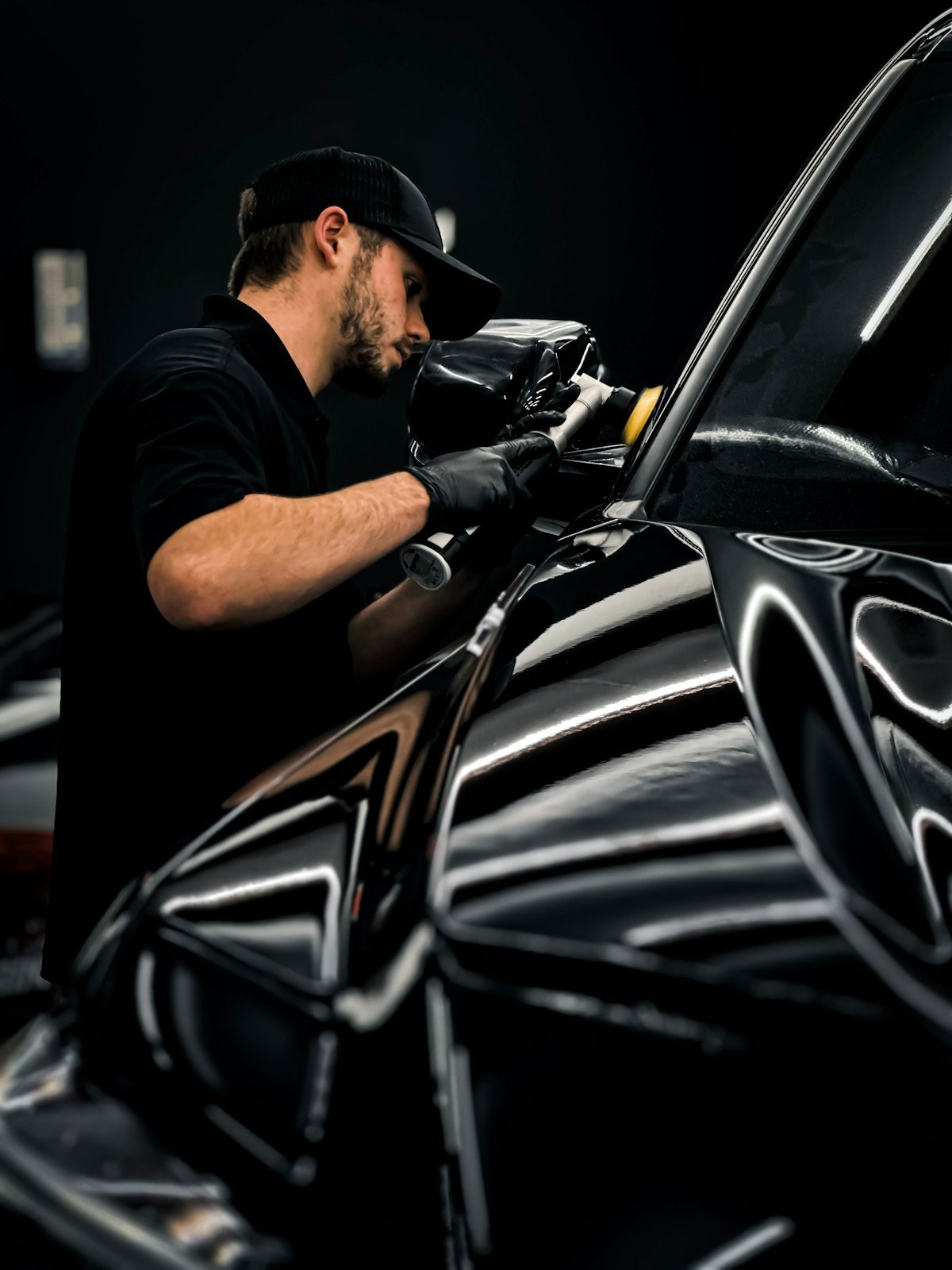
Most of what you pay for is time. A proper application on a well-kept car takes roughly 15 to 20 hours of washing, decontamination, light polishing, panel wipes and careful leveling of each section. The liquid itself is cheap by comparison.
Brand tiers mostly sell warranty length. Ceramic Pro’s package page says installs start at $300 and lists four tiers: Sport with a six-month warranty, Bronze at two years, Silver at five and Gold, with stacked layers, at lifetime. Its certified installers set their own prices, so two shops can quote the same Gold package hundreds of dollars apart. Ziebart’s Z-Gloss page advertises a ten-year limited warranty with a yearly inspection and posts no national price; you get a quote from the local franchise.
The polishing line that can double a quote
A coating locks in whatever is underneath it, swirl marks included. That is why shops inspect the paint before quoting, and why a three-year-old SUV that lived at automatic car washes costs far more to coat than one fresh off the truck. Shop estimates for new cars usually include a light polish; anything more is billed separately.
The add-on is not small. A professional detailer writing for Detailed Image puts one-stage correction at $500 to $800 or more, enough for a 50% to 80% improvement, and two-stage or deeper work at $1,000 to $2,000 or more. On a dark car with heavy swirls, that line alone can match the coating.
Polishing removes clear coat, so it only works when there is clear coat to spare. If the paint is already chalky, peeling or failing at the roof and hood, no coating will save it, and the smarter comparison is what a proper respray would cost you.
Dealer coatings: the finance-office version
The most expensive way to buy a coating is often the least transparent. Consumers’ Checkbook reports dealer coating packages, usually bundled with a fabric-protection warranty, at $800 to $2,500, and notes that some are generic sealants with a new name. Its reporters found little independent testing behind durability claims, and they say “9H” hardness ratings tell you almost nothing about rock chips or key scratches.
The detailer behind Detailed Image’s look at dealership coatings describes the typical $800-plus product as mostly a warranty, with wording loose enough to deny many claims, and says a detailer applying a quality spray coating for a few hundred dollars is the better buy. If you are still negotiating, our breakdown of what a new car costs out the door shows where add-ons like this get folded into the payment.
If you are tempted anyway, get these answers in writing first:
- The product’s brand and name, not just “ceramic protection”
- Whether the price includes any paint correction
- How long it cures before you can drive in rain, since Checkbook says real coatings need at least 24 hours
- What the warranty excludes, and the cap on any claim
- Whether yearly inspections are required, and what they cost
Doing it yourself: a few hundred in bottles, a weekend of labor
DIY coatings are now good enough that the main question is your patience. Autotrader estimates $200 to $400 to coat a whole exterior at home, with paint, glass, wheel and trim products in 30 mL bottles from about $50 to $75 each and $75 to $125 for towels, clay, panel prep and pads. Opened bottles last only weeks, so buy what you will use.
Real retail prices fall right in that range. Obsessed Garage lists Gtechniq Crystal Serum Light, a long-running enthusiast favorite, at $75.95 for 30 mL. Chemical Guys’ own price guide lists its Carbon Force coating at $129.99 with a claim of up to five years, its HydroSlick gel at $39.99 for up to 12 months and its spray sealants at $24.99 for six to 12 months. Those durability figures are the seller’s, so treat them as best-case.
The hidden price is skill and space. You need a garage out of direct sun, good lighting to spot high spots before they harden, and the nerve to polish first if the paint is swirled. A dual-action polisher and pads add a one-time cost if you do not own them. Get a panel wrong and you are buffing it off with polish, which is fixable but not fun.
The five-year tally
Here is a hypothetical example for one midsize sedan kept five years, using the published prices above. We budget one redo for the DIY coating, since home applications rarely hit the top of a product’s rated life, and one bottle of spray sealant per application.
| Path | Year 1 | Years 2 to 5 | Five-year total |
|---|---|---|---|
| Shop coating, new car | $1,350 | Inspection fees, if required | About $1,350 and up |
| Shop coating, swirled used car | $1,350 plus $500 to $800 correction | Inspection fees, if required | $1,850 to $2,150 and up |
| Dealer coating | $800 to $2,500 | Usually none | $800 to $2,500 |
| DIY liquid coating | $200 to $400 | One redo: $200 to $400 | $400 to $800 |
| Spray sealant | $25 to $50 | $100 to $200 | About $125 to $250 |
Our estimate, based on the ranges above. The spray path assumes $24.99 bottles reapplied every six to 12 months. It also costs you roughly an hour each time, which is where the shop coating earns its price: you buy back those weekends and get easier washes for years.
What the warranty quietly asks of you
Long warranties come with homework. Checkbook found that Ceramic Pro’s Gold “lifetime” coverage requires an annual inspection, dropping to five years from the last inspection if you skip it, and that claims are capped at $2,000 or the original job’s cost, whichever is less. The same terms exclude damage from automatic car wash brushes, abrasive cloths and sponges. Ziebart’s ten-year coverage also comes with a yearly inspection.
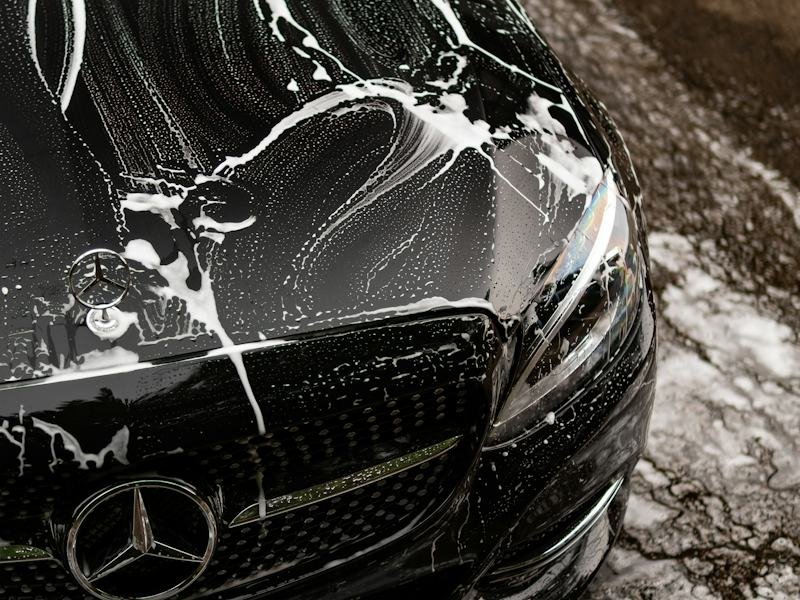
In practice that means hand washes or touchless washes for the life of the coating, plus a trip back to the shop every year. Ask what the inspection costs and whether it includes a top-up layer before you pick a tier; a “lifetime” package you will not maintain is a five-year package at a lifetime price. And if rock chips are the real worry, a coating is the wrong tool; film is the product built for impact, and our guide to what a full vinyl wrap costs prices that kind of protection by vehicle size.
The rule we would use
Pay a shop when the car is new or nearly so, you plan to keep it at least five years, and you will actually hand wash it; at $1,350 to $1,650 that is about $25 a month for a car that stays glossy and cleans up in half the time. Coat it yourself if you have a garage and a free weekend and the paint is clean, because $400 to $800 over five years is hard to beat. Stick with spray sealant on a lease, an older car or swirled paint you will not pay to correct. And decline the dealer package unless they name the product, put the warranty terms in writing and price it close to what an independent shop would charge.
Ceramic coating questions owners ask after the quote
How long does a ceramic coating need to cure?
Consumers’ Checkbook says a genuine coating needs at least 24 hours before the car gets wet, and full hardening can take longer depending on the product. A shop that promises to hand the keys back the same day is a warning sign.
Does a 9H ceramic coating stop rock chips?
No. Checkbook notes that 9H and 10H figures are pencil-hardness lab ratings that say little about rock chips, key scratches or road debris. For impact protection, paint protection film or a wrap is the product designed for the job.
How much extra is it to coat the wheels and windows?
Autotrader’s 2026 estimates put a windshield coating at $75 and up, all windows at $200 and up, wheel faces at $200 and up and wheel faces plus barrels at $400 and up. Trim is often another $150 to $200.
Can a dealer-applied coating be removed later?
Usually, yes. The detailer writing for Detailed Image says a dealer coating comes off during normal polishing without extra effort, so a detailer can prepare the paint for a better coating if you change your mind.
Is ceramic coating cost different for black cars?
Often. Autotrader notes that dark paint can cost more because defects show more clearly, which usually means more polishing time before the coating goes on.
Price sources
- How Much Does Ceramic Coating Cost?, Autotrader (May 18, 2026)
- Ceramic Coatings for Your Car: Don’t Get Oversold on This Pricey Treatment, Consumers’ Checkbook (updated November 2026)
- Automotive Ceramic Coatings, Ceramic Pro
- Ceramic Car Coating: Z-Gloss, Ziebart
- How Much Should Paint Correction Cost?, Detailed Image
- Dealership Coatings: Do They Actually Work?, Detailed Image
- How Much Does It Cost To Ceramic Coat A Car, And Should You DIY?, Chemical Guys (updated August 19, 2026)
- Gtechniq Crystal Serum Light, Obsessed Garage
More car care costs worth checking
- Car ownership costs in 2027: the complete guide
- Car repair cost estimator
- How much a new Tesla costs, four buyers priced out
- Windshield replacement costs
- Oil change cost per visit and per year
- Car wrap cost by vehicle size and film
Pricing method: prices were researched in November 2026 for 2027 planning and may change. Shop, dealer and product prices come from the publishers and retailers listed above; five-year totals are our estimates built from those ranges. Local quotes vary with vehicle size, paint condition and region. See our disclaimer.