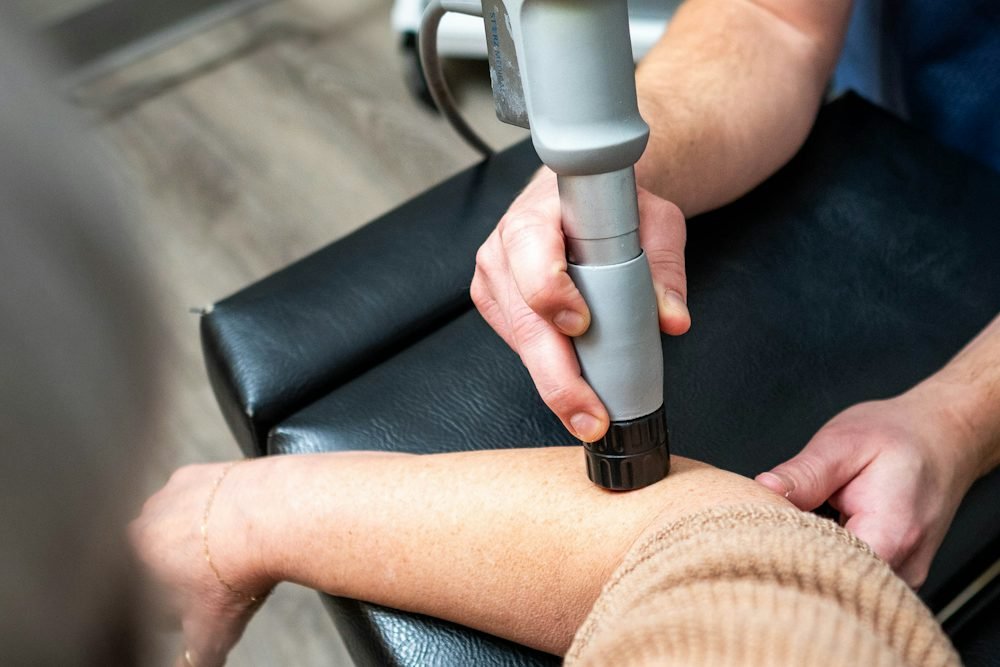
$192. That is what an average physical therapy session cost under private insurance in Health Care Cost Institute data reported by KFF Health News, and it is a sensible midpoint for 2027 budgets. Paying cash, Hinge Health’s 2026 cost guide puts a session at $100 to $350 or more, with the first evaluation at $150 to $400. With insurance, most people see a copay of $10 to $75 a visit.

Short answer: a typical course of 8 to 24 visits costs most patients somewhere between about $500 and $1,900 out of pocket. The per-visit price matters less than three other things: how many visits you need, how your plan splits the bill, and whether the clinic bills as part of a hospital.
A single price rarely helps anyone, because nobody buys one visit. So we priced four patients from first evaluation to discharge, each with a different plan and a different clinic. All four are hypothetical, built from the published ranges cited below. If you also need imaging or a specialist visit, the medical and dental cost estimator can rough out those bills too.
One visit, five ways to pay for it
Therapists bill most treatments in 15-minute units, so a visit with an hour of exercise and hands-on work is several line items, not one. ValuePenguin’s 2026 analysis lists $29 per unit of therapeutic exercise and $99 for a moderate evaluation at full price, averaging $137 per session. Here is how that price lands on different patients:
| Who is paying | First evaluation | Each follow-up visit |
|---|---|---|
| Cash, independent clinic | $150 to $400 | $100 to $200 |
| Cash, hospital-based clinic | $150 to $400+ | $200 to $350+ |
| Silver marketplace plan, after deductible | Copay | About $40 |
| Bronze marketplace plan, after deductible | 45% coinsurance | 45% coinsurance |
| Original Medicare, 2027 | $292 deductible first | 20% of the approved amount |
Geography moves all of it. A Yale-led study of 1,666 hospitals, summarized by Yale News in March 2026, found median commercial rates for a PT evaluation ranging from $151 to $215 depending on the state, with rural prices generally lower than urban ones and negotiated insurance rates generally lower than cash prices.
Maya, 34: a bad ankle sprain and a deductible she won’t reach
Maya rolled her ankle on a trail run. She has a high-deductible plan with $3,000 still to go, so every PT dollar comes out of her pocket at the insurer’s negotiated rate or the clinic’s cash rate, whichever she arranges. Her therapist expects an evaluation plus seven follow-ups over five weeks.
At an independent clinic, the math runs like this: a $200 evaluation plus seven visits at $130 comes to $1,110. Hinge Health notes that many clinics knock 10% to 20% off for prepaid packages or cash payment, which could bring her bill to roughly $890 to $1,000. If she runs it through insurance instead, every dollar still counts toward her deductible, which matters if a bigger bill is likely later in the year.

The evaluation is the visit to shop hardest. It is billed at a higher rate than routine sessions, and it costs the same if you end up needing four visits or twenty. Ask for the evaluation and follow-up cash prices separately before booking, because a clinic with a cheap follow-up rate can still charge $350 for the first hour.
Dan, 52: low back pain on a Silver plan with a flat copay
Dan’s back flared up after a weekend of yard work. He is on a Silver marketplace plan with a $40 PT copay, the same figure ValuePenguin uses for a typical Silver plan. His therapist recommends 12 sessions over six weeks, a common length for low back pain. Twelve copays at $40 is $480.
Two details can push that higher. Some plans classify PT as a specialist visit, and the American Physical Therapy Association says copays can run above $60 a visit, sometimes more than the insurer itself pays the clinic. At $60, Dan’s 12 visits cost $720. If you are still choosing a plan for next year, compare what each metal tier costs per month against the PT copay printed in its summary of benefits.
The second detail is the visit cap. KFF Health News found that nearly 4 in 5 Affordable Care Act plans limit PT visits, usually between 20 and 60 a year, with 20 the most common. Dan’s 12 visits fit. A second injury in the same year might not, and visits past the cap are typically billed at full price. For leftover tightness once covered visits end, what a cash massage costs and who pays is worth checking before you buy more therapy sessions out of pocket.
Linda, 68: a new knee on Original Medicare
Linda had a knee replacement and will do several weeks of outpatient therapy afterward, the heaviest PT load of our four patients. Medicare has had no hard annual therapy cap since 2018, but it does have a checkpoint. According to CMS’s therapy services page, once a patient’s combined PT and speech therapy charges pass $2,480 in 2026, the clinic must add a KX modifier confirming the care is medically necessary. The 2027 threshold had not been posted there when we checked in late November.
Her share for 2027 starts with the Part B deductible. MOAA’s report on the CMS announcement puts it at $292 for 2027, up from $283, with the standard premium rising to $209.40 a month. After the deductible she pays 20% of the Medicare-approved amount. If her therapy reaches $2,480 in approved charges, her bill is about $292 plus 20% of the remaining $2,188, or roughly $730. A Medigap policy may cover most of that; a Medicare Advantage plan will apply its own copays instead.
That deductible is shared with every other Part B bill, so a patient who already met it on the surgeon’s follow-up visits pays only the 20%. Higher earners should also check how Part B premiums rise with income, since the surcharge tiers start well below most people’s guess.
One 2027 change is worth knowing, though it will not show up on Linda’s statement directly. The APTA’s read of the final 2027 physician fee schedule is that CMS reduced conversion factors while securing yearly payment increases for the most-billed PT codes over the next several years. Because her 20% is a share of whatever Medicare approves, small shifts in those rates nudge her coinsurance in the same direction.
Chris, 41: a shoulder at a hospital-owned clinic
Chris hurt his rotator cuff in a fall. His orthopedist works for a hospital system, and the front desk books him into the hospital’s own outpatient therapy department down the hall. It is convenient. It is also where the price doubles.
Hinge Health prices a 12-session program at $1,200 to $2,400 in an independent clinic and $2,400 to $4,200 in a hospital setting, where it says therapy can cost two to four times more. Chris is on a Bronze plan with 45% coinsurance after his deductible. At the hospital, his share of 12 sessions is about $1,080 to $1,890. At an independent clinic across town, the same care would cost him about $540 to $1,080.

Chris usually is not obliged to use the hospital’s department, since a PT referral is rarely tied to the building it was written in, and the same pattern shows up across outpatient care, as our look at hospital versus surgery center pricing shows for a common operation. Ask your plan which in-network clinics bill as freestanding offices.
Imaging follows the same rule. If your doctor wants a scan before therapy starts, check what an MRI costs at an imaging center before agreeing to the hospital’s machine.
Four bills, cheapest to priciest
- Dan, Silver plan, 12 visits: $480 at a $40 copay, $720 at a $60 specialist copay.
- Linda, Original Medicare, a heavy post-surgery course: roughly $730 if approved charges reach $2,480, less with Medigap.
- Maya, cash at an independent clinic, 8 visits: about $890 to $1,110, depending on a package discount.
- Chris, Bronze plan at a hospital clinic, 12 visits: about $1,080 to $1,890, or about half that across town.
The pattern is clear enough to act on. The patient with the most visits did not pay the most; the one in the most expensive building did. Real cases also run long: KFF Health News described one patient who paid $1,445 out of pocket for 17 sessions after her plan’s coverage ran out. Once you are discharged, keeping the strength you rebuilt is cheaper than starting over, and what a personal trainer costs is worth comparing with another round of therapy.
Your own estimate, in three lines
Line one: ask the therapist after the evaluation how many visits they expect, and write it down. Line two: multiply that count by your copay, or by your coinsurance percentage times the clinic’s rate, adding whatever deductible remains. Line three: check the number against your plan’s annual visit cap, and if the clinic bills as a hospital department, price one freestanding clinic before your second visit. Those three lines will predict your bill better than any national average, including ours.
Questions patients ask at the front desk
Can I use an HSA or FSA to pay for physical therapy?
Generally yes. Physical therapy to treat an injury or medical condition is a qualified medical expense, so HSA and FSA funds can usually pay for it. Wellness-only sessions may not qualify, so keep your therapist’s plan of care and receipts, and confirm the details with your plan administrator.
What is the 8-minute rule in physical therapy billing?
It is Medicare’s rule for timed services billed in 15-minute units: a therapist generally needs at least 8 minutes of a timed service to bill one unit. Many private insurers follow similar logic. It explains why two visits of about the same length can carry different charges.
How many physical therapy sessions does a typical patient need?
It depends on the problem. Hinge Health uses a 12-session program as its example for low back pain, while recovery from a joint replacement usually takes longer. Your therapist should give an estimated visit count after the evaluation; ask for it, since it drives the cost of physical therapy more than the per-visit price.
How much does physical therapy cost without insurance if I pay up front?
Hinge Health puts cash prices at about $100 to $200 a session at independent clinics and $200 to $350 or more in hospital settings, with prepaid packages often 10% to 20% cheaper. If you have Medicare or an in-network plan, ask the clinic whether it is allowed to accept cash before you pay, since many contracts require billing the plan.
Where the numbers came from
- How Much Does Physical Therapy Cost With & Without Insurance?, Hinge Health (June 23, 2026)
- Physical Therapy Costs and Insurance Coverage, ValuePenguin (updated July 6, 2026)
- Cost of physical therapy varies widely from state to state, Yale News (March 5, 2026)
- Therapy Services, Centers for Medicare & Medicaid Services (2026)
- What You’ll Pay for Medicare Part B in 2027, Military Officers Association of America (November 18, 2026)
- Final 2027 Physician Fee Schedule Has Mixed Payment Impact for Physical Therapy, American Physical Therapy Association (November 10, 2026)
- Fair Physical Therapy Copays, American Physical Therapy Association
- Their Physical Therapy Coverage Ran Out Before They Could Walk Again, KFF Health News (March 28, 2025)
Next bills to price
- Healthcare costs in 2027: the complete guide
- Medical and dental cost estimator
- MRI cost without insurance
- In-home care costs by weekly hours
- Hospital bed cost: rent or buy
- Medicare Part B cost by income and situation
Pricing method: prices were researched in November 2026 for 2027 planning and may change. Figures are published ranges from cost guides, insurer-plan examples, a university study and official Medicare announcements; the four patients are hypothetical examples, not real bills. Your costs depend on your plan, clinic and condition, so confirm coverage with your insurer and your therapist. See our disclaimer.