You wake up with a line of itchy welts, find a tiny rust-colored smear on the sheet, and by lunch you have three exterminator quotes that range from $400 to $4,000. That spread is normal. Heading into 2027, most US households pay about $300 to $800 to treat a single room for bed bugs, and $1,500 to $5,000 or more for a whole home, depending on the method and how far the bugs have traveled.

The quote is only one part of the bill. What you spend on prep, what you throw out, how many follow-up visits it takes, and, for renters, the question of who pays in the first place, can matter as much as the method you pick.
Heat, spray or tent: three different bills for the same bugs
Companies price bed bug work either per square foot or per room. The method sets the rate, and it also sets how many times the crew comes back.
| Method | Per sq ft | Per room | Visits usually needed | Time out of the home |
|---|---|---|---|---|
| Chemical (sprays, dusts) | $2 to $5 | $150 to $600 | 2 to 3, about 1 to 2 weeks apart | A few hours per visit |
| Whole-room heat | $1 to $3 | $100 to $500 | Usually 1, plus a follow-up check | One day (6 to 8 hours or more) |
| Steam (spot treatment) | $2 to $7.50 | $250 to $1,000 | Often paired with chemicals | A few hours |
| Freezing / cryonite | $3 to $6 | $300 to $1,500 | 1 to 2 | A few hours |
| Tent or structural fumigation | $4 to $8 | $500 to $1,050 | 1 | Several days |
Chemical treatment looks cheapest per visit, but the bill stacks up because sprays do not reliably kill eggs. Crews return as new nymphs hatch, which is why a “$300 treatment” often turns into $700 or more by the third visit. Many bed bug populations also resist common pyrethroid insecticides, so ask which products the company rotates.
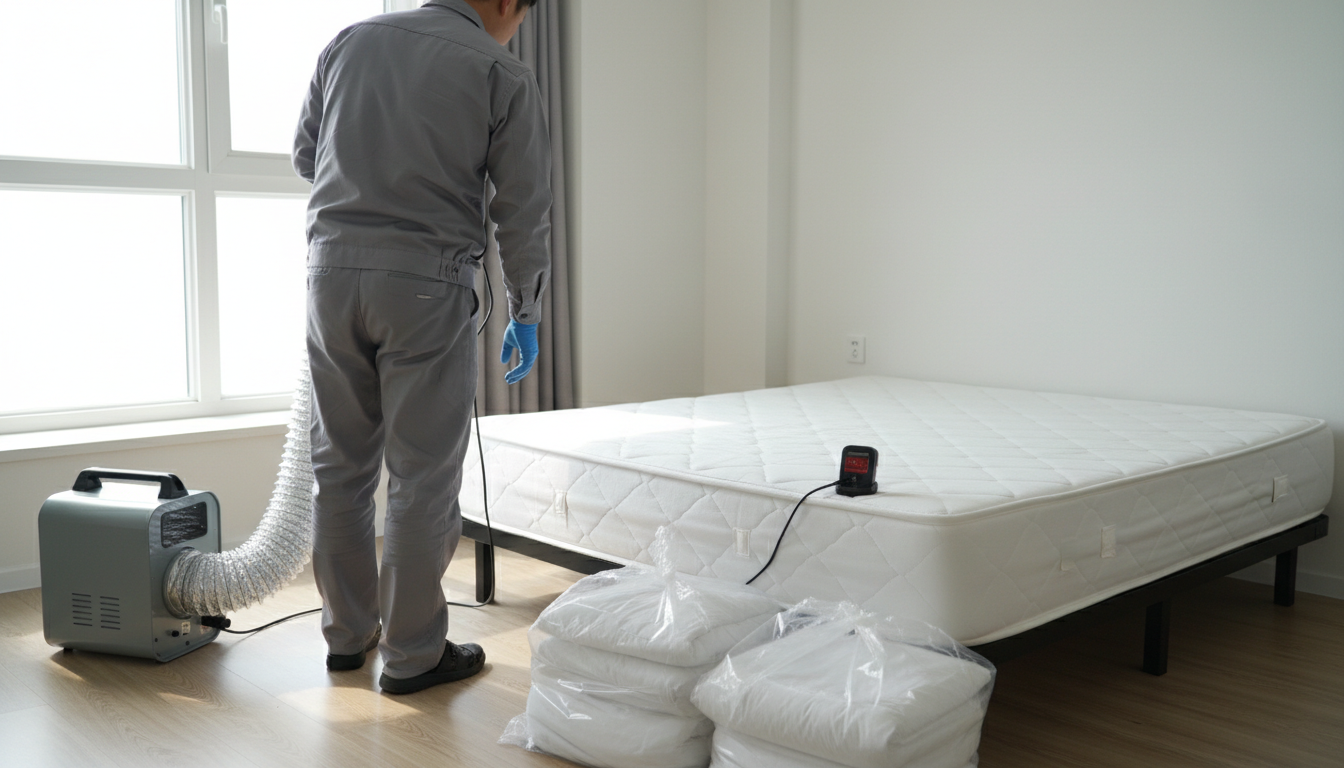
Heat costs more up front but kills every life stage in one long day when done right. The EPA says items or rooms need to reach at least 120°F for 90 minutes to make sure eggs die, and pros typically push rooms to around 125°F to 135°F. Heat leaves no residue, so many companies add a light chemical or dust treatment at the edges for lasting protection.
Fumigation is the heavy option. It reaches every void in a house, but it means tenting, moving out for days and paying at the top of the range. It makes sense for a severe whole-house infestation or a detached home where heat cannot reach every wall. In apartment buildings it is rarely practical.
One bedroom or the whole house: pricing by how far they’ve spread
Bed bugs start where people sleep and spread to couches, recliners and neighboring rooms. Catching them in one bedroom is the biggest single saving available.
| How many rooms are involved | Typical 2026 cost | What it usually signals |
|---|---|---|
| 1 room | $300 to $800 | Caught early, bugs mostly in the bed |
| 2 rooms | $700 to $1,600 | Spread to a second bedroom or the living room couch |
| 3 rooms | $1,000 to $2,400 | Moderate infestation, several hiding spots |
| 4 rooms | $1,500 to $1,700 and up | Spread through most of a small home |
| Whole home | $1,500 to $6,200 | Severe, or the company insists on treating everything at once |
City location adds its own markup. Angi notes that treatment in dense apartment markets can run up to three times the national rate, and emergency or same-day service adds $200 to $500. Among the national brands, HomeGuide reports Orkin jobs ranging from about $300 to $5,000 and Terminix from about $500 to $1,500, depending on severity and area. Local firms that specialize in bed bugs are often competitive, so get at least two quotes.
Example: a two-bedroom apartment, priced two ways
Hypothetical example built from the national ranges above, not real quotes. A renter-occupied 900 sq ft two-bedroom has bugs in the main bed and the living room sofa. Here is how the same job can price out.
| Line item | Chemical plan | Heat treatment |
|---|---|---|
| Inspection | $100 | $100 |
| Treatment | 3 visits at $300 = $900 | 900 sq ft at $2 = $1,800 |
| Follow-up inspection | Included in visit 3 | $150 |
| Encasements and interceptors | $120 | $120 |
| Laundry and bags (extra dryer loads, contractor bags) | $60 | $40 |
| Total | about $1,180 | about $2,210 |
| Time until done | 4 to 6 weeks of repeat prep | 1 day plus a 2-week check |
The chemical plan wins on price but asks you to re-prep the apartment two or three times. Heat costs about $1,000 more and ends sooner, which matters if you are losing sleep, working from home or about to move. If a fourth chemical round is needed, the gap narrows to roughly $700.
The costs that never appear on the exterminator’s quote
Prep is unpaid work plus a pile of small purchases. Most companies hand you a prep sheet and may refuse to treat, or void the guarantee, if it is not done.
- Laundry and drying: the EPA advises drying clothes and bedding on high heat for about 30 minutes, since washing alone may not kill bugs. A family’s worth of closets can mean 10 to 20 loads, a real cost at a laundromat.
- Bags and bins: clean items go into sealed plastic bags or bins until the job is finished. Cardboard boxes are hiding spots and should go.
- Mattress and box spring encasements: about $20 to $130 each, per Fixr. Bugs trapped inside eventually starve, so an encasement can save a mattress you might otherwise replace.
- Interceptor cups under bed legs: a 4-pack runs about $17 at Walmart. They are the cheapest way to tell whether treatment worked.
- Canine inspection: $300 to $600 for an average home. Useful to confirm an infestation before paying for a whole-house job, or to clear a home afterward.
- Replacing furniture: a heavily infested sofa or box spring is sometimes cheaper to discard than treat. Slash or label it so nobody picks it up from the curb.
- Somewhere to sleep: heat treatment means a day out; fumigation can mean several nights in a hotel. Moving to the couch or a relative’s house without bagging your belongings tends to spread the bugs with you.
- Help with clutter: if a room is too packed to prep, a professional organizer runs about $50 to $100 an hour.
Skip the bug bombs. A 2012 Ohio State University study published in the Journal of Economic Entomology found that over-the-counter foggers had little or no effect on field-collected bed bugs, because the mist does not reach the cracks and seams where they hide. They waste money and can scatter bugs into new rooms.
Renting? Who pays depends on your state
In most of the country, landlords generally pay for bed bug extermination under the implied warranty of habitability, especially when bugs affect more than one unit. A handful of states spell out the rules. A few examples:
| State or city | Key rule |
|---|---|
| California | Landlords must give a bed bug notice to tenants, cannot rent a unit they know is infested, and must share inspection results in writing within 2 business days. Tenants who report in good faith are protected from retaliation. |
| Maine | Landlord inspects within 5 days of notice and contacts a pest control agent within 10 days if bugs are found. A tenant who unreasonably refuses to cooperate can be charged for the treatments that result. |
| Connecticut | Inspection within 5 business days of notice and written results within 2 days. |
| Colorado | Treatment must begin within 96 hours of notice. |
| New Hampshire | Landlord pays reasonable remediation costs but can bill a tenant who caused the infestation. |
| Florida | Landlords of most multifamily units must provide extermination; tenants may have to leave for up to 4 days with 7 days’ notice, with rent abated. |
| New York City | Owners must use licensed pest pros, disclose the past year’s infestation history to new tenants and file an annual bed bug report. |
Report the problem in writing, with dates and photos, and keep a copy. That record protects you if there is a dispute about who caused the infestation or whether the landlord acted in time. Even when the landlord pays the exterminator, the tenant usually still carries the prep costs. Renters insurance typically does not cover bed bug treatment or damaged belongings, since insurers treat infestations as maintenance, so check your policy before assuming help is coming.
Homeowners face the full bill alone. Standard homeowners policies generally exclude insect infestations as well.
Why they come back, and what a guarantee should say
Seeing a bug a week after treatment does not always mean failure. Industry trade journal PCT notes that some bugs are exposed but die days later, and stragglers can show up 7 to 10 days out. Real reinfestation usually traces back to one of these:
- Cold spots during heat treatment: packed closets, closed drawers and piles of clothing shield bugs. A good crew logs temperatures and uses fans to reach the hard corners.
- Skipped prep: items moved out “to keep them safe” carry bugs back in.
- Neighbors: in apartments and duplexes, bugs walk through wall voids. Treating one unit while the one next door is infested buys a few months at best.
- Reintroduction: travel, secondhand furniture, a car that was never checked, or a visitor.
Most guarantees are short. Fixr reports that Orkin and Terminix typically guarantee bed bug work for about 30 days and Rentokil for 30 to 60 days. Before you sign, get in writing how long the guarantee lasts, whether re-treatment is free during that window, what prep failures void it and whether a follow-up inspection is included. A follow-up visit 4 to 6 weeks after treatment typically runs $75 to $225 if it is not part of the price.
Found one this morning? The first 48 hours, in order
- Catch a specimen in a sealed bag or on tape. Carpet beetles and bat bugs get mistaken for bed bugs, and a confirmed ID avoids paying to treat the wrong pest.
- Do not sleep in another room or move furniture out. Stay put so the bugs stay put.
- Renters: notify the landlord in writing today, with the photo and date.
- Run bedding and nearby clothing through the dryer on high, then seal it in clean bags.
- Put interceptors under the bed legs and pull the bed away from the wall.
- Get two or three quotes. Ask each company for the method, number of visits, total price including follow-ups, and guarantee terms.
- Choose heat if you want it over in a day and can afford the higher upfront price; choose a chemical plan if the infestation is light and you can handle repeat prep; ask about fumigation only for a severe infestation in a detached home.
More bed bug treatment questions
Can I get rid of bed bugs myself?
A very small, early infestation can sometimes be controlled with encasements, interceptors, heat drying, vacuuming and EPA-registered products used exactly as labeled. Established infestations usually need a professional, because eggs survive many DIY methods and bugs hide in walls and furniture joints. If you still see bugs after two to three weeks of DIY effort, call a pro.
Do I have to throw away my mattress?
Usually not. Professional heat or chemical treatment plus a bed bug-proof encasement lets most people keep their mattress. Replacement makes more sense for an old, torn or heavily infested box spring or mattress. Put any new mattress in an encasement only after the room is treated.
Does having bed bugs mean my home is dirty?
No. Bed bugs feed on blood, not crumbs or grime, and they show up in clean homes and upscale hotels alike. They travel in luggage, secondhand furniture and on clothing. Clutter does make them harder and more expensive to treat, because it gives them more places to hide.
How do I avoid bringing bed bugs home after travel?
Check the hotel mattress seams and headboard before unpacking, keep luggage on a rack or in the bathroom, and avoid putting clothes in hotel drawers. At home, unpack straight into the washer and run clothes through a hot dryer cycle. Store suitcases away from bedrooms.
Can bed bugs live in a car?
They can, especially if infested bags, clothing or furniture rode in it. They are less common in cars than homes, since people do not sleep there. If you moved belongings while infested, vacuum the seats and seams thoroughly and ask your exterminator whether they treat vehicles.
Related cost guides
- Exterminator cost: one visit or a pest control plan?
- Termite treatment cost: liquid, bait or tent?
- Junk removal cost, priced by the truckload
- Mold remediation cost, priced room by room
- Renters insurance cost: a real policy vs the rent fee
More related guides: Rat and mouse exterminator cost: trap, seal, clean up
Complete guide: Home Improvement Costs in 2027: A Complete Price Guide
Pricing method: per-room, per-square-foot, method, inspection and follow-up ranges come from 2026 Angi, HomeGuide, Fixr and This Old House bed bug cost data; brand ranges come from HomeGuide and guarantee lengths from Fixr; treatment temperatures and prep advice come from the EPA; fogger findings come from Ohio State University; interceptor pricing is a Walmart listing; tenant rules come from state statutes and NYC HPD. The two-bedroom comparison is our own example math. Prices are national estimates researched in October 2026 for 2027 planning; they vary by region, home and company and may change. See our disclaimer.